
Residential Washer Repair for Housatonic Homes
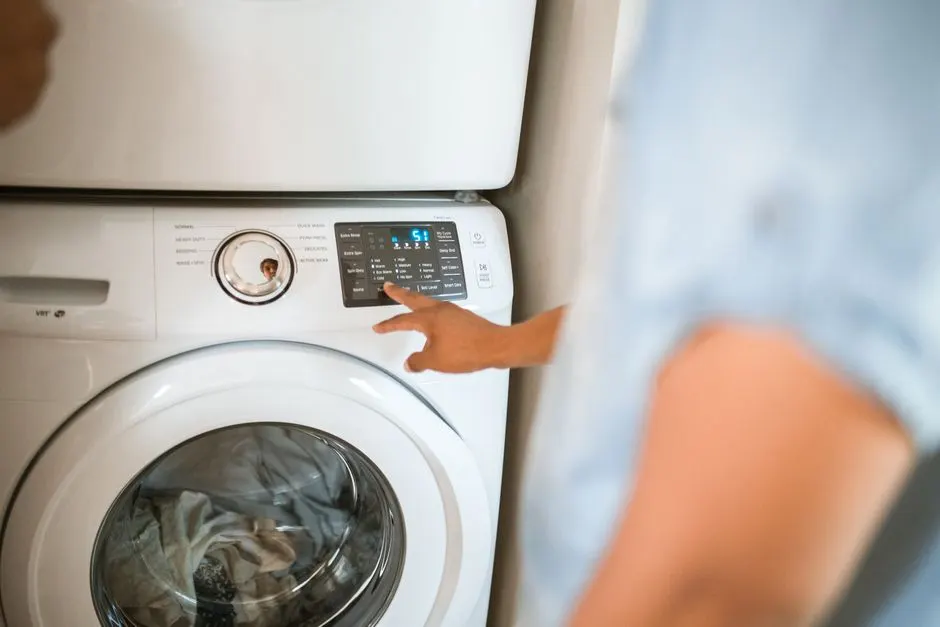
Residential washer repair in Housatonic has to fit the home as well as the machine. Village residences, detached houses, and older properties can have laundry equipment in basement corners, utility rooms, or compact closets. We ask about stairs and clearance before arrival, then inspect the washer without treating every leak or spin problem as the same fault. If you have a family load waiting, we focus on the symptom that prevents normal use and test that operation after repair. A washer that will not fill, a front-loader with standing water, or a top-loader that bangs during spin each needs a different check. We work on common residential brands and explain whether the issue is within the appliance or at an accessible connection. Tell us if water is actively leaking, whether the machine still has power, and what stage the cycle reaches. Those details help us prepare for the visit and reduce unnecessary handling of the washer.
- In-home washer diagnosis — We diagnose Housatonic residential washers at the appliance, checking the reported symptom and relevant cycle operation before recommending a repair. Tell us if the machine is in a basement or narrow closet. We inspect accessible connections, test the affected function, and explain what failed in practical terms.
- Front-loader leak and drain repair — For Housatonic front-load washers, we check the door area, drain behavior, and accessible hoses when water remains inside or appears on the floor. We identify whether the fault is a blockage, connection, or washer component, then test a controlled cycle. Stop the machine if a leak is spreading.
- Top-loader spin and fill repair — We repair Housatonic top-load washers that will not fill, agitate, or spin by checking the reported stage and the machine's lid response. A repeated spin fault needs more than a load reset. We inspect the relevant operation and verify the repair with a test suited to the washer.
- Basement access-aware service — If your Housatonic washer is below grade, tell us about the stairs, turns, and working space. We plan the inspection around safe access, protect the area, and avoid pulling the washer by its hoses or cord. After work, we check the connections and leave the test area tidy.