
Symptom and Code Review
We record what the washer does, when the fault appears, and any displayed code. This helps us select the right test sequence and compare the machine's behavior with the reported problem, rather than relying on a code alone.
Our diagnostic visit covers symptom review, a visual inspection, targeted electrical or water-system checks, and an explanation of the findings. We identify the likely cause and recommend the repair that matches it. Replacement parts and repair labor are separate from diagnosis unless agreed as part of the visit; we discuss the price before approved repair work proceeds.
We record what the washer does, when the fault appears, and any displayed code. This helps us select the right test sequence and compare the machine's behavior with the reported problem, rather than relying on a code alone.
We inspect visible hoses, connections, door or lid operation, and the areas relevant to your complaint. For a leak, we look for fresh moisture and water tracks; for a drain problem, we examine the accessible drain path and filter area.
We test likely electrical, filling, draining, or spinning functions based on the symptom. A multimeter or pressure gauge is used when appropriate, and we avoid unnecessary disassembly. The aim is to connect a confirmed finding to a specific repair.
We explain the fault in everyday language, identify the part or condition involved, and outline the next action. You receive a clear diagnostic result whether the issue is a blockage, worn component, supply problem, or a fault that needs a different repair.
When repair is approved and completed during the visit, we test the function tied to the complaint. That may mean confirming that the tub drains, the washer fills, or the door locks and cycle advances. We check for visible leakage before wrapping up.
Washer Diagnosis and Troubleshooting in Massachusetts is an appliance diagnostic service that identifies why a washer is leaking, failing to drain, or stopping before a cycle finishes. We check the reported symptom against the machine's operating sequence, inspect accessible hoses and connections, and test electrical or mechanical components as appropriate. A useful diagnosis distinguishes a blocked pump filter from a failed drain pump, or a supply problem from a faulty water inlet valve. You get a clear explanation of the fault and the repair path, not a guess based on one symptom.
Massachusetts homes bring different laundry-room conditions: older plumbing connections, tight closets in apartment buildings, and seasonal cold that can affect exposed water lines. Our Massachusetts washer diagnosis and troubleshooting starts with the symptom you see, then checks the machine and its installation. If you are searching for a washer diagnosis and troubleshooting near me in Massachusetts, tell us the brand, model number, error code, and whether water remains in the drum; those details help us prepare for the visit.
Our diagnostic visit follows a clear sequence, from symptom review to a practical test result. Most straightforward inspections take about 45 to 90 minutes; a hidden intermittent fault can require additional cycle observation. We keep you informed as we work.
Schedule
Call or book online — a real human picks up and confirms a 2-hour arrival window.
Diagnose
Licensed tech inspects on-site, then walks you through the cause and your options.
Fix
The job is completed to code and done right the first time — no shortcuts, no surprises.
Guarantee
Every job backed by a written workmanship warranty — and we stand behind it.
Multimeter
We use a multimeter to check appropriate electrical components and circuits after safely isolating power. Readings help distinguish an open circuit or failed switch from a problem elsewhere in the washer.
Water Pressure Gauge
When a washer fills slowly or inconsistently, a water pressure gauge helps assess the incoming supply. We compare the result with the appliance's requirements and inspect the hoses and inlet path.
Nut Driver Set
A nut driver set provides controlled access to service panels and fasteners. Using the correct size reduces the chance of damaging a panel while reaching a component for inspection.
Wet/Dry Vacuum
A wet/dry vacuum helps manage residual water when access to a drain area or hose requires it. We use it to keep the work area controlled while tracing a drainage complaint.
Inspection Mirror
An inspection mirror helps us view concealed connections and lower cabinet areas without unnecessary disassembly. It is useful for checking moisture tracks and confirming where a leak begins.
Symptom-to-System Isolation
We match the reported event to the washer stage involved: fill, wash, drain, or spin. Then we test that system and one likely upstream or downstream cause. This narrows the diagnosis and avoids replacing a component simply because it is associated with the displayed symptom.
Controlled Cycle Observation
We observe the machine at the point where the complaint occurs, using a suitable test or operating cycle. We listen for pump behavior, watch water movement, and note whether the lock and controls respond. The observation provides evidence that a static visual check cannot.
Manufacturer-Guided Checks
We use the washer's brand and model information to follow relevant service procedures and interpret codes in context. Whirlpool, GE Appliances, and other manufacturers use different access and test sequences. Matching the procedure to the machine reduces unnecessary handling and improves diagnostic accuracy.
Post-Repair Function Test
After an approved repair, we test the function tied to the original complaint and inspect for leaks or abnormal movement. A drain repair gets a drain check; a start fault gets a start and cycle check. You see whether the specific failure has been corrected before we leave.
01
What we do: We record the code and the point where the cycle stops, then test the related system. We compare the display with actual washer behavior so you get a diagnosis based on the fault, not just the code description.
→ You learn what prevents the cycle from finishing and which repair will restore normal operation, without spending another load waiting on a repeated failure.
02
What we do: We inspect connections and seals, then observe the washer at the stage when the leak appears. That timing helps distinguish a fill-side leak from a spin or drain problem. We check the floor and nearby surfaces during testing.
→ You get the leak source identified before more cycles spread water beneath the appliance or into surrounding flooring.
03
What we do: We check the cycle selection and fill behavior, then test the relevant lid switch and drive functions as indicated by the model. The inspection identifies whether the washer is failing to agitate because of a control, sensing, or mechanical fault.
→ You receive a specific repair path and a post-repair agitation check, rather than another load washed without proper movement.
04
What we do: We confirm that the appliance is stable and assess the load and spin behavior. If the vibration continues with a balanced test load, we inspect suspension components and the washer's movement. We do not assume every banging sound means a failed part.
→ You learn whether leveling, load balance, or a worn component is responsible and what will stop the washer from striking or walking during spin.
Massachusetts washer diagnosis must account for differences in housing, access, and weather. In older multi-family buildings, laundry closets can have narrow doors and shared drain connections; we inspect the setup before moving a machine or opening a panel. Coastal communities face salt-laden air and seasonal humidity, while inland homes may have cold basement utility rooms or exposed supply lines during winter. Those conditions change what we inspect, not the need for a measured test. Our washing machine diagnostic service Massachusetts customers book checks the reported problem, installation, and relevant washer systems. If you need affordable washer inspection and troubleshooting in Massachusetts, give us the model and symptom so we can plan the visit. We follow safe electrical practices and applicable Massachusetts plumbing and electrical licensing requirements where regulated work applies. No two laundry rooms are identical, so we adapt access and test steps to the home while keeping the diagnosis focused.
Cambridge apartment laundry rooms
Tight closets and shared laundry areas call for careful access planning. We check drain routing and water connections before moving a washer or beginning a cycle test.
Framingham basement laundry areas
Basement installations can conceal moisture near floor drains and utility connections. We trace fresh water marks and assess whether the washer or its drain path is responsible.
East Dennis coastal homes
Seasonal occupancy can leave a washer unused for long stretches. We check for supply, drainage, and seal issues that show up when the machine returns to regular use.
Northampton older homes
A compact utility room or older connection layout can restrict appliance access. We inspect the installation first and choose tests that avoid unnecessary movement.
Cold winter temperatures in basements and unheated utility spaces
Cold conditions can affect exposed water lines and make a fill complaint look like an appliance failure. We check the supply path and washer inlet before concluding that a valve or control has failed.
Coastal humidity and long periods between laundry use
Moisture and infrequent use can make odors or seal problems more noticeable when the washer starts running again. We inspect the door boot seal, visible connections, and drainage behavior to identify the actual source.
Shared drains and limited access in multi-unit buildings
A slow or restricted building drain can resemble a washer pump failure. We examine the appliance's drain hose and observe discharge behavior so you can distinguish a machine fault from a wider drainage restriction.
A stalled cycle can come from a simple obstruction or a failed part, and repeating the same reset rarely reveals which one. We trace the point of failure and test the system involved. The diagnosis helps you decide what to repair before more water, time, or laundry is lost.
Problem
Standing water can leave clothes soaked, create odor, and keep the washer unavailable. Repeated drain attempts can strain a pump if the path remains blocked.
Our Fix
We inspect the drain hose and accessible pump filter, then test the drain function. If a blockage is present, we identify its location; if the pump assembly is failing, we explain the evidence and repair option. After approved work, we run a drain check to confirm water leaves the tub.
Problem
A small leak can spread beneath flooring or into nearby cabinets before you find its source. Continued operation increases the chance of additional water damage.
Our Fix
We determine when the water appears and inspect likely sources such as inlet connections, hoses, and the door boot seal. A controlled test helps distinguish a supply leak from a tub or drain-related leak. We then address the confirmed source and check the area again during operation.
Problem
Clothes remain heavy with water, and repeated attempts can make an existing mechanical or electrical problem worse. The load may also be left uneven inside the tub.
Our Fix
We check whether the washer drains, locks, and advances into the spin stage, then inspect the components indicated by the result. A load imbalance is different from a failed switch or drive part. We explain which condition applies and verify spin operation after approved repair.
Problem
Laundry cannot begin, and repeated button presses do not resolve a failed lock, supply issue, or control fault. The underlying problem can remain hidden.
Our Fix
We check power and the door or lid lock response, then follow the model's diagnostic sequence. Testing distinguishes an access or connection problem from a component failure. We explain the finding, complete the approved repair, and confirm that the washer starts and moves into the cycle.
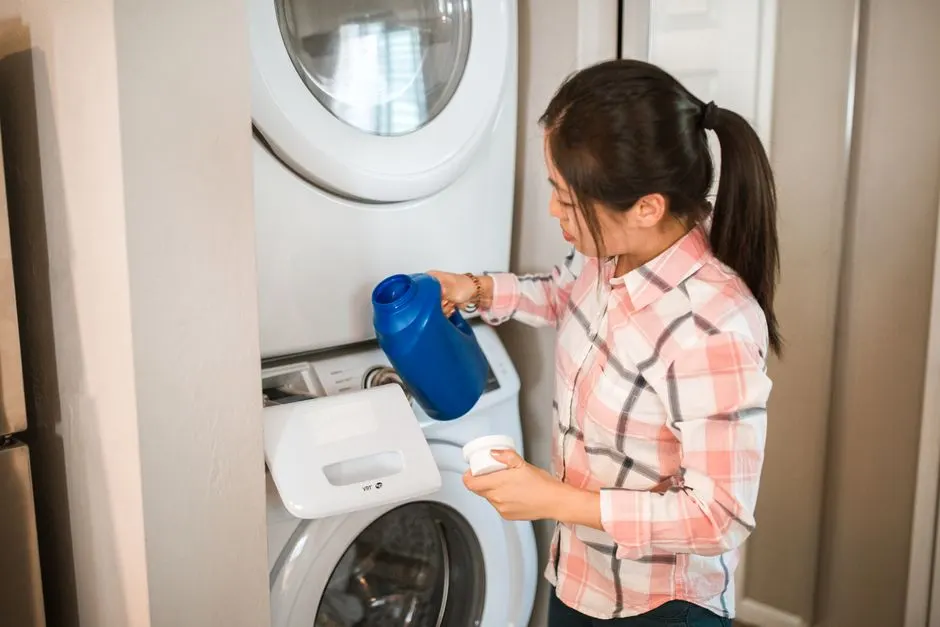
A sound diagnosis prevents repeated resets and unnecessary part swaps. We trace the symptom to its source, describe the repair options in plain language, and test the washer again after approved work so you know what changed.
Stop Repeat Breakdowns
A washer that will not drain can be blocked at the filter, restricted by a hose, or affected by a failing pump. We test the drain path instead of replacing parts by guesswork. That helps you avoid another interrupted load and gives you a specific repair recommendation tied to the evidence.
Protect Floors and Cabinets
A small leak during a cycle can reach flooring, baseboards, or the room below before it becomes obvious. We inspect water inlet hoses, door boot seals, and visible connection points, then run a controlled check where appropriate. You get the source identified before moisture spreads further.
Understand Error Codes
An error code is a clue, not a complete diagnosis. We compare the code with the washer's behavior and test relevant components, including switches or valves when indicated. This approach supports Massachusetts washing machine fault diagnosis and helps separate a genuine component failure from a temporary supply or drainage issue.
Choose Repair With Facts
We explain the failed part, the work required, and the next test before proceeding. If your washer has a repairable fault, you can decide with useful information; if the diagnosis points elsewhere, we tell you that too. The goal is a verified answer, not a parts list.
Customer feedback Not stated
The technician checked the drain system before suggesting a pump. He found the filter blockage, cleared it, and ran a full drain test. The explanation was simple, the washer worked again, and we knew what to watch for if the symptom returned.
Customer feedback Not stated
Our washer leaked only during the spin cycle. The technician traced the moisture to the seal, showed us the worn area, and tested the machine after the repair. The floor was dry through the next load, and the cause finally made sense.
Customer feedback Not stated
The error code had us thinking the control board was gone. The technician checked the fill system and found the actual fault at the inlet valve. We appreciated getting a test result before approving a repair, and the washer completed its next cycle normally.
We diagnose common washer failures across brands including Whirlpool, GE Appliances, Maytag, Samsung, LG, Electrolux, Frigidaire, Speed Queen, Amana, and Bosch. Our technicians use manufacturer-specific appliance service training and follow safe electrical and water-handling practices. Training and credentials relevant to appliance service include National Appliance Service Technician Certification (NASTeC), Professional Service Association (PSA) certification, and OSHA safety training. EPA Section 608 certification applies where refrigerant work is involved, though standard washer diagnostics do not require refrigerant service. We also respect Massachusetts plumbing and electrical licensing requirements where regulated work applies.
Our statewide service area includes cities, towns, coastal communities, and inland neighborhoods across Massachusetts. We coordinate Washer Diagnosis and Troubleshooting in Massachusetts around the washer's symptoms and the access conditions at each home, whether the machine sits in a basement, closet, or shared laundry room. Our washing machine diagnostic service Massachusetts customers request starts with the same careful symptom review and targeted testing wherever you live. Choose your city below to find service details for your area.
In Cambridge, we diagnose washers in apartments, condos, and older homes, accounting for narrow laundry closets and shared drain connections. We test the reported fault before recommending repair.
Framingham visits cover basement utility rooms and household laundry areas. We check the fill, drain, or spin system tied to your complaint and verify the relevant function after approved work.
For Attleboro households, we trace leaks, stalled cycles, and drainage trouble to the specific component or installation condition. You get a clear finding and a practical repair path.
In Northampton, we adapt inspection to compact utility spaces and older home layouts. We review the washer's symptom and check its accessible water and electrical systems before repair.
Pinehurst service includes targeted checks for washers that will not start, fill, or drain. We use the model and symptoms to guide testing, then explain the result in plain language.
At The Pinehills, we inspect the washer and surrounding connections when vibration, leaks, or cycle interruptions appear. A controlled test helps establish whether the fault is in the appliance or its drain path.
Forestdale customers can book diagnosis for intermittent faults and persistent error codes. We compare the code with cycle behavior and test the related system rather than guessing from the display.
In East Dennis, seasonal use can reveal slow filling, musty odor, or seal trouble when laundry resumes. We inspect the reported issue and verify washer operation during a relevant test.
Baldwinville washer visits focus on the point where the cycle fails, whether during filling, agitation, draining, or spin. We identify the cause before discussing the repair.
In East Pepperell, we diagnose noisy, leaking, and non-starting washers with checks matched to the machine and symptom. We also inspect accessible supply and drain connections.
Weweantic service includes washer leak and drainage diagnosis for homes with basement or utility-room installations. We trace moisture to its source and test the repair-related function.
Mashpee Neck customers can arrange diagnostics for washers showing error codes or stopping mid-cycle. We review the machine's behavior, test likely causes, and explain the next step.
In Lenox Dale, our diagnostic process covers common fill, drain, spin, and vibration faults. We tailor checks to the washer model and confirm the affected function after approved repair.
Real answers to the questions we hear most often from local homeowners and property managers.
Diagnosis identifies the failed system; repair returns it to operation. After testing your washer, we can address the confirmed fault, replace an approved failed component, and verify the relevant cycle function so you know whether draining, filling, or spinning has returned.
View Washer RepairFront-load symptoms often involve a door lock, door boot seal, drainage issue, or excess vibration. We first identify the failure, then carry out the related repair and check the door seal and cycle behavior. This keeps a small leak from being mistaken for a pump fault.
View Front-Load Washer RepairA top-load washer that will not agitate or spin needs checks matched to its lid switch, drive system, and load behavior. Diagnosis narrows the cause before repair. We test the affected stage and confirm the machine advances through the cycle after the approved work.
View Top-Load Washer RepairHigh-efficiency models rely on controlled water levels and specific load sensing, so repeated resets can obscure the original symptom. We inspect the reported code and cycle sequence, then repair the confirmed fault. Testing the washer afterward helps confirm proper filling and completion.
View High-Efficiency Washer RepairA leak diagnosis checks when water appears and traces it to a hose, seal, dispenser area, or internal connection. Once located, the leak repair addresses the source and includes a controlled check for renewed moisture. This is especially useful when a leak appears only during filling or spinning.
View Washer Leak RepairStanding water can result from a blocked pump filter, restricted drain hose, or failed drain pump assembly. We identify which condition is present before performing drainage work. After repair, we run a drain test and confirm that water exits without backing up or leaking.
View Washer Drainage and Pump RepairTell us what your washer is doing and where in Massachusetts you need service. Call +18665940052 during business hours, Monday through Friday, 8 a.m. to 6 p.m.; we respond to calls during those hours and help arrange the next available service route. If the washer is leaking, include that detail when you call.
Phone
+18665940052Address
Massachusetts
Hours
Mon–Fri: 7AM – 7PM
Sat: 8AM – 4PM
Sun: Emergency Only
24/7 Emergency Available