
Logo
Get Estimate

Washer Repair in Massachusetts That Restores Your Laundry

Clear diagnosis and practical repairs for homes statewide


Washer Repair in Massachusetts from Mass Washer Repair helps homeowners and rental-property residents get laundry back on schedule when a washer leaks, stops draining, or will not spin. Our washing machine repair Massachusetts service covers common front-load and top-load faults, with a clear diagnosis before parts are replaced. If a malfunction is flooding a laundry area or leaving a full drum of wet clothes, we focus first on stopping damage and identifying the failed component.

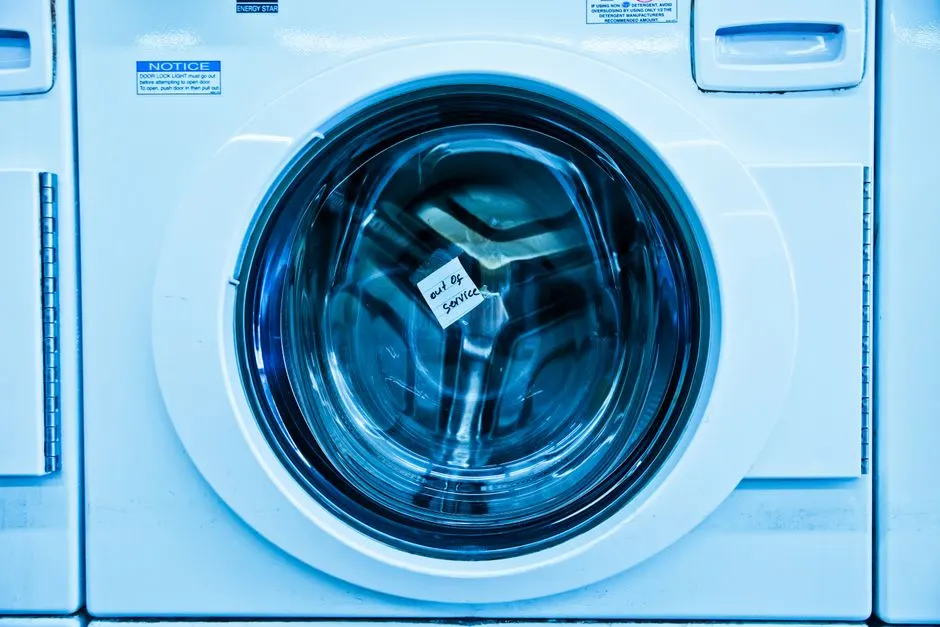
Close-up of an out-of-service washing machine in a laundromat with a blue tint.
Licensed Licensed & Bonded
Fully Insured Insured & Bonded
24/7 Emergency Same-Day Response
Warranty Backed Workmanship Guaranteed

What Our Washer Repair Covers

A standard repair visit covers symptom review, inspection of the relevant washer systems, diagnosis, and testing after approved work. We explain the fault and price before starting the repair. Parts, specialized access, and regulated plumbing or electrical work are handled according to the specific job, and we identify those needs clearly rather than treating every washer fault as the same repair.

Symptom and Safety Check

We review when the problem occurs, check for active leaks or standing water, and assess safe access to the appliance. If a hose is leaking, we locate the supply shutoff and avoid running another cycle until the source is understood.
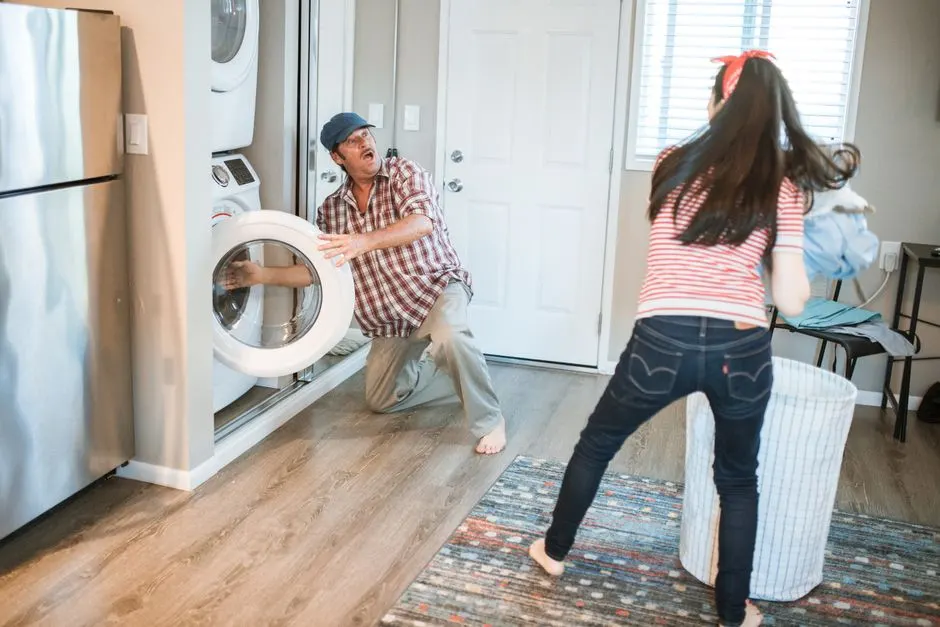
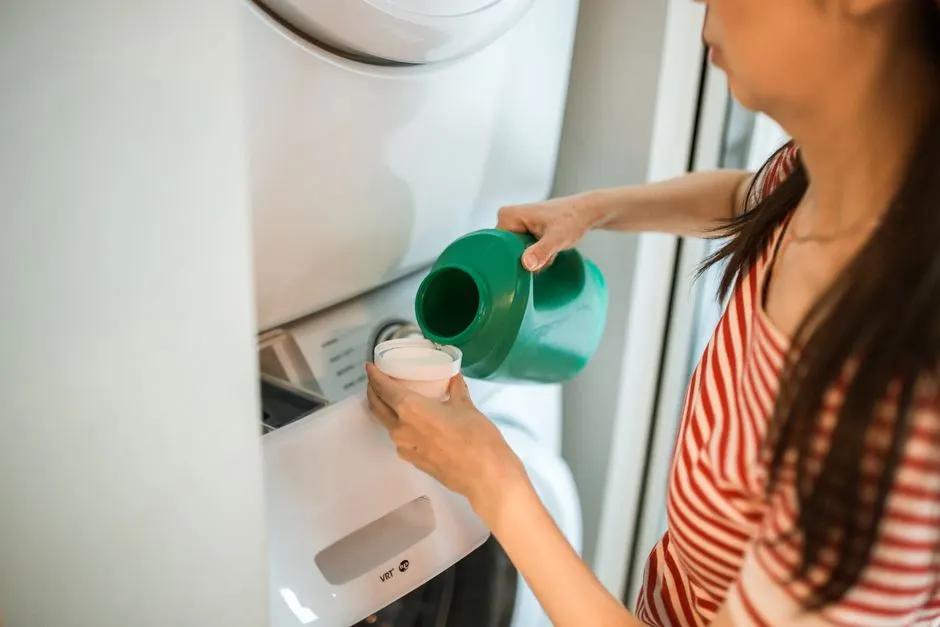
Component Testing

We test the parts connected to the reported symptom, such as the drain path for a no-drain fault or the lid lock for a no-start complaint. A multimeter helps verify electrical behavior instead of relying only on a displayed error code.

Approved Repair Work

After diagnosis and price approval, we correct the fault using a suitable repair or replacement component. Work may involve clearing an obstruction, securing a connection, or replacing a failed part, depending on what testing confirms.

Operational Verification

We run the washer through the functions tied to the original complaint and check for leaks, incomplete draining, or unusual vibration. You see the result before we leave, and we explain any operating change relevant to the repair.

Washer Repair in Massachusetts: What We Do


Washer Repair in Massachusetts is an appliance repair service that diagnoses and fixes mechanical, electrical, and water-flow faults that prevent a washing machine from operating safely or completing a cycle. We inspect the symptom, check the machine's power and water supply, test the relevant components, then explain the repair before doing the work. A washer will not drain, will not spin, or leaks during a cycle for different reasons; a blocked pump filter is not the same fault as a failed lid switch. Correct diagnosis keeps you from paying for parts that are still working.

Massachusetts homes range from compact city laundry closets to older basements with long drain runs, and each setup changes how we access and test a machine. Winter cold can expose vulnerable supply lines, while heavy weekly loads can wear suspension parts and drive components. Our Massachusetts washer repair service addresses the actual symptom, not just the error code. If you are searching for an affordable washer repair service in Massachusetts, we identify the likely failure, explain the repair path, and test a complete cycle after the work.

What to Expect From Our Visit

Washer Repair in Massachusetts follows a clear sequence: capture the symptom, test the likely systems, make the approved repair, and verify operation. You can describe the noise, leak, or cycle stage when you call; that detail helps us prepare for the visit.

01

Schedule

Call or book online — a real human picks up and confirms a 2-hour arrival window.

02

Diagnose

Licensed tech inspects on-site, then walks you through the cause and your options.

03

Fix

The job is completed to code and done right the first time — no shortcuts, no surprises.

04

Guarantee

Every job backed by a written workmanship warranty — and we stand behind it.

Tools and Repair Methods

Tools & Equipment

Multimeter

We use a multimeter to check electrical continuity and voltage at components involved in a no-start, no-fill, or interrupted-cycle complaint.

Clamp meter

A clamp meter helps assess current draw without disconnecting a conductor, supporting diagnosis when a motor or pump behavior does not match the expected cycle.

Nut driver set

We use a nut driver set to remove and reinstall common access-panel fasteners while keeping the machine's panels and service openings secure.

Hose clamp pliers

Hose clamp pliers help release and secure internal hose connections during drain or leak repairs, reducing the chance of damaging a clamp or hose.

Water pressure gauge

A water pressure gauge helps check incoming supply conditions when a washer is not filling correctly and the valves appear open.

Inspection mirror

An inspection mirror lets us check connections and the underside of a washer in a narrow laundry closet without unnecessary movement.

Methods & Standards

Symptom-to-system testing

We connect the reported symptom to the washer system active at that moment: fill, wash, drain, or spin. Then we reproduce the problem when it is safe and test only the relevant parts. This approach narrows the cause and helps distinguish a blocked drain from a failed pump or a lock fault.

Leak-stage isolation

We note whether water appears during filling, agitation, or draining, because each stage points toward a different set of hoses, seals, and connections. We inspect the likely area and run a controlled test when appropriate. The goal is to find the source under the conditions that actually produce the leak.

Post-repair functional test

After completing the approved repair, we verify the function that failed and inspect nearby connections. A no-drain repair gets a drain check; a no-spin repair gets a spin check. We also listen for abnormal vibration and look for water at the floor so the original complaint is not left untested.

Safe appliance handling

We disconnect the washer as needed, protect the floor, and use an appliance dolly when moving a heavy machine through a narrow basement or utility area. We keep hoses and power connections from being pinched during repositioning, then confirm the appliance is stable before the operational test.

When to Call for Washer Repair

01

A basement washer begins leaking during a cold November night after supply lines have been exposed to a chilly utility room.

What we do: Stop the cycle and close the hot and cold supply valves if you can reach them safely. We inspect the hoses, fittings, and inlet area for a split or loose connection, then test the washer under fill conditions. If a pipe or regulated plumbing issue is involved, we follow applicable Massachusetts licensing requirements.

→ You limit water exposure and get the specific source identified before running another load. The repair is tested for renewed leakage.

02

A shared apartment washer in Boston stops with a full drum and residents need the laundry room back.

What we do: We check whether the machine is draining, inspect the filter and drain path, and test pump operation. We also consider access and the building's laundry-room arrangement so the washer can be moved safely if required. After repair, we run a drain test and confirm the drum clears.

→ Residents get a clear explanation of the fault and a verified drain cycle, rather than a machine that is simply restarted and left untested.

03

A coastal home in South Yarmouth has a washer that vibrates hard after seasonal occupancy begins.

What we do: We check that the washer sits level, inspect the load and suspension behavior, and identify worn or damaged components. If the machine is stacked or tightly fitted, we plan access before moving it. We test the spin stage after correction to confirm the vibration has improved.

→ The washer finishes a test spin with less movement, reducing the chance of further strain on the appliance and surrounding cabinetry.

04

A family in Medford finds clean laundry still soaked after two consecutive spin cycles.

What we do: We check for trapped water first, then inspect the lock and drive-related systems that permit spinning. The diagnosis separates a drain fault from a spin fault, which prevents unnecessary part replacement. We complete a spin test and check the load behavior before the visit ends.

→ You know why the clothes remained wet and whether the repair restored normal spin performance, so laundry can move to drying without repeated guesswork.

How Massachusetts Washer Repair Works Locally

Washer Repair in Massachusetts has to account for more than the appliance itself. In November and through winter, an unheated basement or exterior-wall laundry area can expose supply hoses to cold conditions; a damaged or frozen line needs attention before another fill cycle. Spring thaws and heavy rain can also reveal basement drainage issues that are separate from a washer fault, so we distinguish appliance leakage from water entering elsewhere. Older homes often have narrow stairs, uneven floors, or compact laundry alcoves, while newer apartments may have stacked units with limited service clearance. We plan the inspection around access and protect nearby flooring when moving a machine. Our washing machine repair Massachusetts visits also respect local code boundaries: appliance diagnosis is distinct from regulated plumbing or electrical work, which must follow Massachusetts licensing requirements where applicable. If you are looking for a local washer repair company serving Massachusetts, share the building type, floor, and washer location when you call. Those details help us prepare for the actual conditions at your home.

Neighborhoods We Serve

  • Back Bay

    Older multi-unit buildings may place laundry in a compact closet or shared room. We check access and protect finished floors before moving a washer for diagnosis.

  • Dorchester

    Basement laundry areas often require careful inspection of the drain route and nearby floor. We distinguish a washer leak from water entering through the basement.

  • East Boston

    Apartment layouts can limit clearance around stacked machines. We check the service access before deciding how to reach hoses, locks, and pump components.

  • Jamaica Plain

    A mix of older homes and multi-family properties means washer placement varies. We account for stairways, tight utility areas, and shared laundry setups.

Local Conditions We Plan For

  • Cold winter air reaches supply lines in an unheated basement

    A cold utility space can make vulnerable water lines more prone to damage, especially near exterior walls. We check for visible hose problems and advise stopping the fill cycle if leakage appears; plumbing repairs outside appliance service follow applicable licensing rules.

  • Older housing has narrow stairs and restricted laundry closets

    Limited clearance affects inspection and safe appliance movement. We assess the route before pulling a washer out, protect nearby surfaces, and use an appliance dolly when the access path permits it.

  • Coastal homes see seasonal use and changing occupancy

    A washer left idle between visits can reveal a leak or odor when put back into service. We inspect the supply connections, drain behavior, and cycle performance before confirming that the machine is ready for regular loads.

Standing Water Cleared

Before

A front-load washer stopped with water covering the bottom of the drum, and the next cycle would not start. The owner had tried two restarts without improvement. A careful inspection found a blocked pump filter, so the fault was addressed at the drain path rather than by replacing the pump without testing.

After

We cleared the obstruction and ran a drain check followed by a spin test. The drum emptied in about two minutes during verification, and the washer completed the test without leaving standing water. The owner could remove the wet load and return to normal laundry use.

Maintenance: Check the pump filter on the schedule in your owner's manual, often every one to three months depending on use. Empty pockets before washing, especially when laundering work clothes or small items.

Before

A top-loader left a wet patch beside the machine after each fill. The water appeared intermittently, so tightening the visible connection had not solved it. We observed the fill stage and traced the leak to a worn water connection that only seeped under flow.

After

After correcting the failed connection, we ran two fill checks and inspected the floor and surrounding fittings. No fresh water appeared during testing. The repair stopped the repeat puddle and let the household use the washer without placing towels beneath it.

Maintenance: Look behind the washer occasionally for dampness and check hoses for bulges or cracking. Avoid pushing the machine hard against the wall, where it can pinch a hose or strain a connection.

Before

A washer completed the wash portion but left towels heavy and soaked at the end. The owner assumed the motor had failed. Testing showed the machine was not progressing correctly through the lock and spin sequence, so the diagnosis focused on the control path and related component.

After

We repaired the confirmed fault and verified the washer through a spin test. The load reached the final spin, and the towels came out substantially less wet than before. The owner no longer needed to run repeated cycles to prepare laundry for drying.

Maintenance: Keep loads balanced and avoid packing the drum tightly, especially with heavy towels or bedding. If a cycle repeatedly stops at the same stage, note the display or sound and stop restarting it until the cause is checked.

Fix the Washer Problems Disrupting Your Home

A washer fault can turn one load into standing water, a wet floor, or a missed laundry day. We address the cause, then verify the function that failed. If you need a washer service call for a broken washing machine in Massachusetts, describe what the drum, controls, and water are doing.

Problem

The washer will not drain and water remains in the drum

Wet laundry gets heavier and begins to smell, while repeated restart attempts can strain a blocked or failing pump. Standing water also makes unloading and cleaning the machine harder.

Our Fix

We inspect the pump filter, drain hose, and pump operation to locate the restriction or failed component. After clearing or repairing the fault, we run a drain test and confirm the drum empties properly. If a hose is kinked or routed poorly, we correct the issue where the installation allows.

Problem

Water leaks onto the laundry-room floor during a cycle

Water can spread beneath the washer, swell nearby flooring, or seep through a ceiling when laundry is located upstairs. The leak can worsen each time the machine fills or drains.

Our Fix

We identify whether the leak occurs during fill, wash, or drain, then inspect the related hoses, fittings, and seals. We run the washer under the stage that produced the leak and check the repair afterward. If water is flowing now, close the supply valves and stop the cycle.

Problem

The washer stops before spinning and leaves clothes soaked

A load that cannot spin takes longer to dry and may remain trapped in the machine. Repeatedly restarting it without identifying the fault can hide a drainage or lock problem.

Our Fix

We determine whether the washer drains, locks, and reaches the spin stage, then test the relevant components. A blocked drain, door or lid lock failure, or drive fault each calls for a different repair. We verify the final spin so you know the original symptom has been addressed.

Problem

The washer will not start after the door or lid is closed

Laundry stays in the basket, and a failed lock or power connection can make every cycle unavailable. Forcing the door or repeatedly cycling power can cause additional wear.

Our Fix

We check the outlet and power path, then test door or lid lock operation and other components connected to the start sequence. Once we find the cause, we explain the repair and test the washer's start function. We do not assume a control board is at fault without evidence.

Practical Benefits for Your Home

Practical Benefits for Your Home

A sound repair protects the laundry area, restores the cycle you need, and helps you decide whether a repair makes sense for the age and condition of the appliance. We work through the cause instead of swapping parts by guesswork.

  • Stop Leaks Before Damage

    A small drip at a hose connection can soak flooring, cabinets, or the ceiling below a second-floor laundry room. We trace the water to the source, inspect water inlet hoses and fittings, and run the machine while checking for repeat leakage. You get a repair aimed at keeping the floor dry, not just a quick wipe-down.

  • Restore Full-Cycle Performance

    If a washer fills but stalls before spinning, wet clothes can add hours to your laundry routine. We test the drain path, lock operation, and spin-related components so the machine can finish wash and rinse stages. Our Massachusetts washing machine repair technician explains the fault in plain language and confirms the final spin before wrapping up.

  • Protect the Appliance

    Repeated banging can damage nearby walls and put added strain on the washer's suspension system. We check load balance, leveling, and worn components rather than asking you to keep restarting the cycle. Correcting excessive movement early can reduce further wear and help prevent a minor vibration from becoming a larger repair.

  • Plan the Repair Cost

    You receive the diagnosis and price before repair work proceeds, so you can compare the repair with replacement without pressure. For many faults, the difference between a blocked filter and a failed pump changes both parts cost and labor time. We show you what failed and what the proposed work is meant to correct.

How We Earn Your Trust

Licensed & Certified

  • National Appliance Service Technician Certification — issued by National Appliance Service Technician Certification
  • Professional Service Association certification — issued by Professional Service Association
  • Manufacturer-specific appliance service training — issued by Appliance manufacturers
  • OSHA safety training — issued by Occupational Safety and Health Administration

Verified Reviews

Customer feedback Not stated

A Boston homeowner reported that the washer stopped draining with a full load inside. Our technician located a filter obstruction, cleared it, and tested the drain and spin stages. The customer valued seeing the machine empty before the visit ended.

Customer feedback Not stated

A Fall River resident described repeated banging during spin. We checked the washer's stability and suspension, corrected the confirmed issue, and ran a test cycle. The customer noted that the machine completed the spin without the previous hard movement.

Customer feedback Not stated

A South Yarmouth homeowner called after water appeared beside the washer. We isolated the leak to a connection, repaired it, and checked the area during a fill test. The customer appreciated getting a clear explanation of the source rather than a guess.

Training and Repair Knowledge

Our work is grounded in appliance-specific diagnosis, safe electrical testing, and careful water-line handling. We service common residential brands including Whirlpool, GE Appliances, Maytag, Samsung, and LG, while checking model details before selecting parts. Our technicians use manufacturer-specific appliance service training and follow OSHA safety training practices on the job. Washer repairs do not involve refrigerant work; EPA Section 608 certification applies only where refrigerant handling is involved. We also respect Massachusetts plumbing and electrical licensing requirements where regulated work applies, and refer regulated work to appropriately licensed professionals.

  • Electrical checks use a multimeter to distinguish a power-supply fault from a failed washer component before parts are ordered.
  • We identify the model and component configuration first, reducing the risk of fitting an incompatible pump, valve, or control part.
  • Our repair approach considers National Appliance Service Technician Certification knowledge and Professional Service Association practices.
  • We inspect water connections and drainage carefully, especially in older basements and tight stacked-laundry installations.
  • After repair, we test the affected function and check for leaks, abnormal vibration, and incomplete draining.
Get Started Today
Training and Repair Knowledge

Cities We Serve Across Massachusetts

Our statewide routes connect city neighborhoods, inland towns, coastal homes, and island communities. We provide washing machine repair Massachusetts residents can request for common leaks, drain failures, and spin problems, with the visit planned around the home and appliance setup. From tight apartment closets in Boston to seasonal properties on the Cape and islands, tell us where the washer sits and what it is doing so we can prepare for the job.

Boston

In Boston, we work with compact apartment laundry closets and shared laundry rooms, checking access before moving a machine and testing the drain or spin problem.

Fall River

For Fall River homes, we investigate basement leaks, blocked drains, and spin faults, then verify the affected cycle before returning the washer to use.

Medford

Medford service accounts for both older basement installations and tight utility spaces. We inspect the washer's connections and safe route for access before repair.

Marlborough

In Marlborough, we diagnose common fill, drain, and vibration complaints in houses and multi-unit homes, matching the test to the washer's make and model.

South Yarmouth

South Yarmouth homes may see washers return to regular use after seasonal periods. We check supply connections, odors, and full-cycle performance before confirming the repair.

West Concord

We serve West Concord laundry rooms with careful checks for drainage and vibration, including basement setups where floor slope or access affects washer stability.

Turners Falls

In Turners Falls, we diagnose washers that stop filling, draining, or spinning, and test the repaired function so the next load can run normally.

Littleton Common

Littleton Common service includes troubleshooting compact laundry installations, checking water flow and drain routing before recommending parts for a washer fault.

Acushnet Center

We inspect leaks, pump problems, and no-spin complaints in Acushnet Center homes, testing the washer under the cycle stage that produces the symptom.

South Lancaster

For South Lancaster residents, we check the washer's water supply, drainage, and installation access, then confirm operation with a focused cycle test.

Devens

In Devens, we service residential washers with fill, lock, and drainage faults, confirming the model and access before testing components.

Oak Bluffs

Oak Bluffs washer visits account for island logistics and coastal property use. We inspect water connections and run the relevant cycle to verify the repair.

Siasconset

In Siasconset, we address washer leaks, drainage issues, and cycle failures in island homes, planning the diagnosis around the appliance model and property access.

Washer Repair Questions, Answered

Real answers to the questions we hear most often from local homeowners and property managers.

How much does washing machine repair cost in Massachusetts?
Typical 2026 washer repair pricing in Massachusetts ranges from about $150 to $850, depending on diagnosis, parts, labor, and access. A simple hose or filter correction costs less than replacing a pump, control, or major drive component. We identify the fault and provide the price before repair work begins. The washer's age and replacement-part availability also affect whether repair is a sensible choice.
Who provides washer repair service in Massachusetts?
Mass Washer Repair provides residential washer diagnosis and repair across Massachusetts. We service common household machines and investigate symptoms such as leaks, failed draining, no-spin cycles, and filling problems. If you are asking who repairs washing machines in Massachusetts, call with the town, brand, and model number if available. That information helps us understand the setup and prepare for the likely repair.
Can a washing machine be repaired the same day in Massachusetts?
Same-day washing machine repair in Massachusetts is possible when the route, access, fault, and required part align. Many diagnostic visits take about 20 to 40 minutes, and straightforward repairs can add one to two hours. A less common component or difficult installation can require a return visit. If water is actively leaking, shut off the supply valves and tell us when you call.
When should I call a washer repair technician in Massachusetts?
Call when your washer leaks, repeatedly stops mid-cycle, trips a breaker, smells musty despite cleaning, or leaves clothes soaking wet after spinning. Stop using it immediately if water reaches electrical outlets or spreads across the floor. A washing machine repair technician near me in Massachusetts can test the cause before repeated cycles worsen a pump, hose, or surrounding floor damage.

Related Washer Repair Services

Front-Load Washer Repair

Front-load models use a door boot seal and locking system that require careful inspection when water appears around the door or the cycle will not start. We check the seal, lock, drain path, and balance. That helps isolate leaks and door faults without treating every front-load problem as a failed seal.

View Front-Load Washer Repair

Top-Load Washer Repair

A top-load washer can stop agitating, fail to spin, or refuse to start when a lid switch or drive component wears out. We test the machine through the reported cycle stage and check its fill and drain behavior. You get a repair matched to the machine's actual fault and configuration.

View Top-Load Washer Repair

High-Efficiency Washer Repair

High-efficiency washers use controlled water levels and specific cycle logic, so an apparent fill problem may involve a supply restriction, valve, or sensor. We check the model's operation and water flow before recommending parts. The goal is to restore the intended cycle without masking the original fault.

View High-Efficiency Washer Repair

Washer Diagnosis and Troubleshooting

A sound diagnosis separates a blocked drain from a failed pump or electrical fault. We reproduce the symptom, inspect the relevant systems, and explain the evidence before repair. This service is useful when your washer displays an unfamiliar code or the problem happens only during one part of a cycle.

View Washer Diagnosis and Troubleshooting

Washer Leak Repair

Leaks can come from water inlet hoses, drain hoses, door seals, or internal connections. We trace the water while the washer runs and check the connection under the conditions that produce the leak. Repairing the source protects flooring and nearby walls better than repeatedly tightening fittings without a test.

View Washer Leak Repair

Washer Drainage and Pump Repair

Standing water often points to a clogged pump filter, obstructed drain hose, or failed pump assembly. We inspect the drain path and test pump operation before replacing parts. Clearing a blockage promptly also reduces odor and helps prevent the next load from stopping with water in the drum.

View Washer Drainage and Pump Repair

Get Washer Repair in Massachusetts

A washer that leaks, stalls, or leaves standing water needs a clear diagnosis before the next load. Call Mass Washer Repair at +18665940052 and tell us the town, brand, and symptom. Our technicians will help you take the next practical step and arrange service.

Call Our Team Book Washer Repair

Contact Mass Washer Repair

Tell us what your washer is doing and where in Massachusetts you need service. Call +18665940052 during business hours, Monday through Friday, 8 a.m. to 6 p.m.; we respond to calls during those hours and help arrange the next available service route. If the washer is leaking, include that detail when you call.

Or call us right now at +18665940052 — we answer.

Mass Washer Repair


  • Phone

    +18665940052
  • Address

    Massachusetts

  • Hours

    Mon–Fri: 7AM – 7PM
    Sat: 8AM – 4PM
    Sun: Emergency Only
    24/7 Emergency Available

Call +18665940052 Get Quote
Call Quote