
Logo
Get Estimate

High-Efficiency Washer Repair in Massachusetts

Get your efficient washer draining, spinning, and cleaning again.


High-Efficiency Washer Repair in Massachusetts helps you get a washer back to dependable operation when it will not drain, spin, fill, or start. Our team works on high-efficiency front-load and top-load models in homes, apartments, and rental properties statewide. For HE washing machine repair Massachusetts homeowners can call us to inspect the fault, explain the repair, and test the washer through the affected cycle.

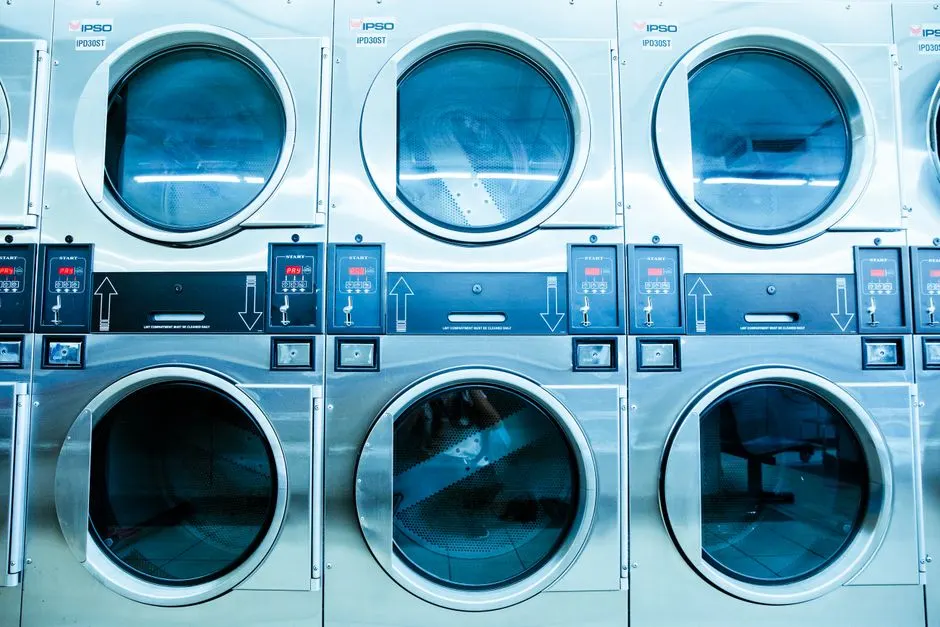
A row of modern washing machines in a launderette, showcasing contemporary laundry technology.
Licensed Licensed & Bonded
Fully Insured Insured & Bonded
24/7 Emergency Same-Day Response
Warranty Backed Workmanship Guaranteed

What High-Efficiency Washer Repair Includes

Our service covers diagnosis of the reported failure, inspection of related washer components, repair of the identified appliance fault, and a functional test. We explain the price before repair work starts. Replacement parts, difficult access, or repairs to separate household plumbing and electrical systems are addressed according to the specific job and applicable Massachusetts requirements.

Symptom-Based Diagnosis

We review the cycle, noise, leak, or code you reported and inspect the components tied to that symptom. Checks may include the water supply, pump filter, drain hose, door lock, and electrical response. The goal is to identify a cause, not to assume every symptom means the same part has failed.
Component Repair

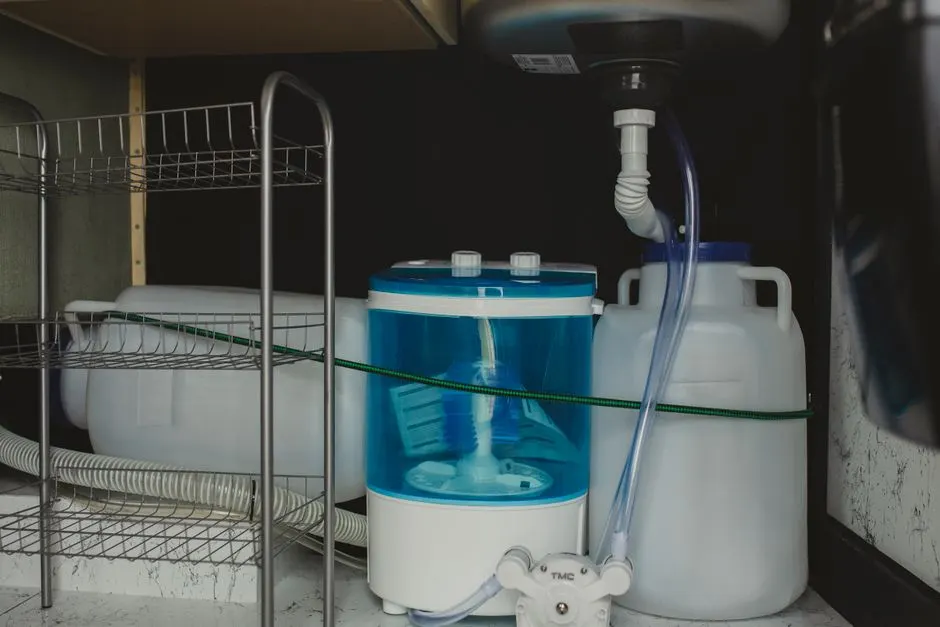
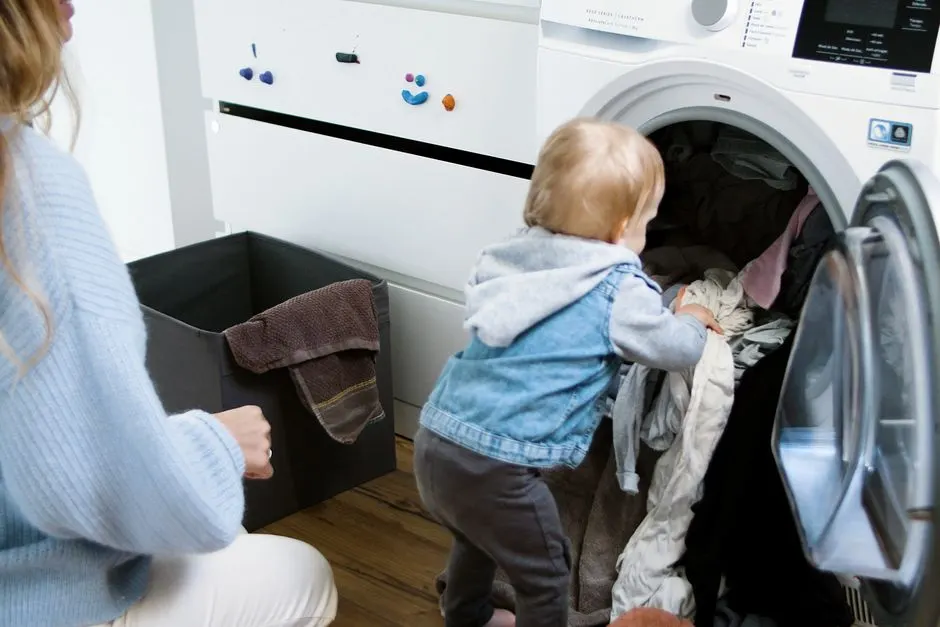
When testing confirms a failed washer component, we repair or replace the relevant part using a model-appropriate procedure. Common work includes correcting a drain restriction, replacing a failed inlet valve, or addressing a worn seal. We secure connections and check surrounding areas before closing the machine.

Leak and Drain Checks

We inspect the water path for leaks and verify that the washer empties correctly after service. A wet/dry vacuum can remove standing water when needed, while hose clamp pliers help access certain hose connections. We run the affected function and check the work area for fresh moisture.

Post-Repair Function Test

After reassembly, we test the repaired function, such as filling, draining, locking, or spinning. We observe for abnormal noise, movement, leaks, and repeated fault codes. You receive a plain-language summary of the repair and useful care steps for the model.

High-Efficiency Washer Repair in Massachusetts


High-Efficiency Washer Repair in Massachusetts is an appliance repair service that diagnoses and fixes faults affecting low-water washing machines and their wash, drain, spin, and control systems. We check the reported symptom, inspect hoses and filters, test electrical operation, and verify the repair with a cycle test. High-efficiency machines use less water and rely on precise sensing, so a blocked pump filter, worn door boot seal, or failed water inlet valve can interrupt the whole program. We identify the cause before replacing parts.

Across Massachusetts, winter cold can affect laundry areas in basements, while coastal humidity and seasonal property use create different wear patterns. A washer will not drain after a load? Our high-efficiency washer repair technician near me in Massachusetts service starts with the drain path, pump filter, and hose before moving to electrical checks. We also investigate leaking during a cycle, excess vibration, musty odor, and lock failures, accounting for the washer model and the space around it.

What to Expect From Service

High-efficiency washer service in Massachusetts follows a practical sequence: symptom review, safe inspection, targeted testing, repair, and a cycle check. We ask what happened, when it began, and whether an error code appeared. You can have the model information ready, but we can also find it at the appliance.

01

Schedule

Call or book online — a real human picks up and confirms a 2-hour arrival window.

02

Diagnose

Licensed tech inspects on-site, then walks you through the cause and your options.

03

Fix

The job is completed to code and done right the first time — no shortcuts, no surprises.

04

Guarantee

Every job backed by a written workmanship warranty — and we stand behind it.

Tools and Diagnostic Methods

Tools & Equipment

Multimeter

We use a multimeter to test continuity and electrical response at accessible washer components, helping distinguish an open circuit from a blockage or mechanical problem.

Clamp meter

A clamp meter checks current draw during appropriate diagnostic steps, helping us assess whether a motor or pump is responding under operating conditions.

Water pressure gauge

We use a water pressure gauge when a slow-fill complaint calls for a supply-side check, separating household flow concerns from a washer inlet fault.

Hose clamp pliers

These pliers help release and secure selected hose clamps during access to the drain path or pump area, reducing the risk of damaging connections.

Wet/dry vacuum

A wet/dry vacuum can remove water from a drum or work area when a failed drain leaves standing water, making inspection safer and keeping the floor manageable.

Appliance dolly

We use an appliance dolly when moving a washer is necessary for safe access, protecting floors and helping control the load through hallways or utility areas.

Methods & Standards

Symptom-to-system diagnosis

We connect the reported behavior to the system that controls it: fill, drain, lock, balance, or spin. Then we test the likely cause and confirm it with an operating check. This method avoids treating a displayed code as proof that a particular component needs replacement.

Model-specific service procedure

We identify the washer model and follow the appropriate access and test sequence for its design. Front-load and top-load machines differ in panel access, lock systems, and suspension. Correct sequencing protects wiring and seals while keeping the repair focused on the component under test.

Post-repair functional verification

We operate the affected function after repair and look for the original symptom: retained water, abnormal vibration, a fresh leak, or a repeated code. We check relevant hose connections and listen for normal pump and spin behavior. If a full wash is needed, cycle duration can range from about 30 to 90 minutes.

Safe appliance handling

We isolate power and water as appropriate before opening or moving the appliance, protect the floor, and use controlled lifting methods. OSHA safety training informs work practices around electrical exposure, water, and heavy equipment. Any separately regulated plumbing or electrical work follows applicable Massachusetts licensing requirements.

When to Call for HE Service

01

Your washer displays a code, pauses with water inside, and will not continue to the spin cycle.

What we do: We record the code and the stage where the washer stopped, then inspect drainage and the components connected to the fault. We test the filter, hose, and pump as indicated, rather than clearing the code without finding its cause. After repair, we verify that the washer advances through the affected stage.

→ You know why the cycle stopped and whether the washer can complete its next load without another reset.

02

A front-load washer leaks during a heavy load, but the floor is dry between cycles.

What we do: We inspect the door seal, dispenser path, hoses, and pump area while checking where water appears during operation. The pattern helps isolate a leak that only develops with more water or faster drum movement. We repair the source and run a fill and drain check before finishing.

→ The leak source is addressed and the area is checked under operating conditions, not only while the washer sits idle.

03

A seasonal property washer has sat unused, then develops odor or a drain problem when laundry resumes.

What we do: We check the pump filter and drain path for standing water, debris, or restrictions, and inspect seals for moisture-related wear. We test drainage and explain a simple maintenance routine for the next period of vacancy. If the fault involves a component, we identify it before recommending replacement.

→ You can return the laundry setup to use with a clearer understanding of the repair and steps that help limit stale odor.

04

A stacked washer in a tight closet vibrates sharply and stops before clothes are spun dry.

What we do: We assess safe access, washer leveling, load balance, and the model's suspension system. If a repair requires moving the stacked unit, we plan the work to protect surrounding finishes and hoses. We then observe a spin test and check that the cabinet stays stable.

→ The washer completes the spin function more consistently, and the installation is checked for movement that could strain nearby connections.

How HE Washer Service Works Statewide

High-efficiency washer repair across Massachusetts has to account for the home as well as the machine. In older buildings, narrow stairs, tight closets, and shared laundry rooms can limit access; we plan the inspection around safe clearance and protecting floors. In coastal communities, humid air and seasonal occupancy can leave seals damp between loads, while winter cold can affect laundry areas near exterior walls or unheated basements. We ask where the washer sits and whether it has been unused before choosing the first checks. Our Massachusetts HE washer technician service follows the model's diagnostic steps and applicable Massachusetts plumbing and electrical licensing requirements where regulated work applies. For a high-efficiency washer repair technician near me in Massachusetts, share the model number, symptoms, and whether the washer is stacked or difficult to reach. That information helps us prepare for the actual layout, not just the appliance fault.

Neighborhoods We Serve

  • Downtown apartment buildings

    Shared laundry rooms and compact closets can restrict access to valves and drain hoses. We keep the inspection focused and account for building rules when planning the work area.

  • Older mill housing

    Older utility spaces may have narrow stairs, uneven floors, or limited clearance around the washer. We check safe movement and stability before accessing lower panels or pump components.

  • Coastal homes

    Seasonal use and humid laundry rooms can leave door seals and dispensers damp. We inspect for odor-related buildup and advise on drying the seal between loads.

  • Rural properties

    Longer travel routes and utility-room layouts can shape how service is planned. A clear description of the washer model and fault helps us arrive prepared for diagnosis.

Local Conditions We Plan For

  • Cold winter laundry rooms near exterior walls or unheated basements

    Low temperatures around the laundry area can affect hoses and water supply conditions. We inspect for restricted flow or signs of freezing and check that connections remain secure before operating the washer.

  • Humid coastal air and long seasonal vacancies

    A washer left closed with moisture inside can develop musty odor around the door boot seal and dispenser. We check for residue and standing water, then explain how to dry the washer between periods of use.

  • Tight stairs and stacked laundry installations

    Restricted access can make inspection or moving a washer more involved. We assess clearance and stability first, then use controlled handling to protect the appliance, hoses, and nearby finishes.

Drain Fault Cleared and Tested

Before

A front-load washer stopped with water in the drum and displayed a drain-related code. The homeowner had restarted the program twice, but the water remained and the door stayed locked. The laundry room floor was dry, yet another attempt risked leaving more water trapped inside.

After

We found a blockage at the pump filter, cleared the debris, and checked the drain hose for restriction. The washer emptied during a direct drain test and completed the spin portion without the code returning. The customer could remove the load and resume laundry rather than scheduling a replacement machine.

Maintenance: Check the pump filter at the interval listed in the model's manual, especially after washing items with loose lint or small objects. Empty pockets before loading and stop the cycle if water remains after repeated drain attempts.

Before

A top-load HE washer rocked during spin, shifted several inches, and left bedding wetter than usual. The machine was in a narrow utility space, so movement brought it close to the wall and put strain on the drain connection.

After

We checked the leveling, load movement, and suspension components, then corrected the confirmed cause. During a spin test, the washer stayed within its original footprint and extracted water more effectively. The drain connection remained secure after the machine's movement was addressed.

Maintenance: Keep loads balanced and avoid packing bulky items tightly against one side of the basket. Recheck the washer's level after moving it, and call for service if banging continues with a properly distributed load.

Before

Water appeared beneath a washer only during larger loads, leaving a small puddle near the front of the laundry area. Because the leak was intermittent, the owner could not tell whether it came from the door, pump, or a hose connection.

After

We inspected the water path during operation and traced the leak to a loose, worn hose connection. After correcting the connection, we ran fill and drain checks and found no fresh moisture. The customer had a specific cause and a dry floor through the test.

Maintenance: Look over visible water inlet hoses for cracking or bulges and keep the washer level so vibration does not stress connections. If a leak returns, stop the cycle and close the supply valves until the source is checked.

Fix Common HE Washer Failures

A high-efficiency washer can stop mid-cycle for a small obstruction or a failed component, and the difference matters for the repair. We trace the symptom to its source, check the systems that interact with it, and verify the washer's operation after the work. These are frequent problems we handle across Massachusetts.

Problem

Water stays in the drum after the wash cycle ends

Standing water can leave clothes soaked, create odor, and prevent the washer from unlocking or starting another load. Repeated attempts can strain a pump that is already obstructed.

Our Fix

We inspect the drain hose and pump filter for lint, small objects, or a kink, then test the drain pump assembly. If the pump has failed, we match a replacement to the washer model. We run a drain check afterward and confirm the water clears rather than relying only on the control panel.

Problem

Washer leaks around the door or beneath the cabinet

Water can damage flooring, baseboards, or a ceiling below the laundry room. A leak that appears only during a wash or spin may go unnoticed until the next load.

Our Fix

We locate the leak while checking the door boot seal, inlet and drain connections, and pump area. Once we identify the source, we repair the affected washer component and run a controlled water test. If water is actively spreading, stop the cycle and close the washer's supply valves.

Problem

Washer fills slowly or stops before the wash begins

A restricted supply or failed inlet component can lengthen cycles, trigger a code, or leave clothes only partly washed. Repeated resets do not correct a blocked hose or faulty valve.

Our Fix

We check supply flow, inspect water inlet hoses, and test the water inlet valve and related response. A water pressure gauge helps assess supply conditions when needed. We then verify that the washer fills as expected and advances into the wash portion of its program.

Problem

Washer bangs hard or leaves clothes unusually wet

Excessive vibration can shift the washer, disturb nearby hoses, and make the spin cycle stop early. A wet load also adds time to drying and can signal an unresolved balance or mechanical fault.

Our Fix

We check leveling, load movement, suspension rods, and shock absorbers as appropriate to the model, while also confirming that drainage completes. After correcting the cause, we run a spin test and observe the cabinet for excess movement. You get a practical loading and leveling recommendation if setup contributed.

Repairs That Restore Daily Laundry

Repairs That Restore Daily Laundry

A working washer matters when laundry piles up or a leak threatens finished flooring. We focus on the failed function, explain what caused it, and verify the machine's operation before wrapping up. That means practical repairs rather than guesswork, with attention to water use, drainage, balance, and the cycle that first revealed the problem.

  • Accurate Fault Finding

    We test the symptom instead of swapping parts at random. A multimeter helps check electrical continuity, while a water pressure gauge can distinguish a supply problem from a washer fault. That approach helps narrow a no-fill or no-start complaint and gives you a clear repair path before the machine is put back into regular use.

  • Drainage Restored Properly

    A clogged pump filter and a failed drain pump assembly can look like the same problem from the laundry room. We inspect the filter, hose, and pump operation, then run a drain test. If you need affordable HE washing machine repair in Massachusetts, a focused diagnosis can prevent the cost of replacing a part that still works.

  • Less Vibration and Noise

    Repeated banging can loosen connections, damage surrounding finishes, and make a washer unusable during spin. We check load balance, leveling, suspension rods, and shock absorbers where the model design allows. After adjustment or repair, we test a spin cycle and look for movement that could trouble a narrow closet or upstairs laundry room.

  • Clear Cycle Testing

    We do not stop when a replacement part is installed. Our team runs the affected portion of the cycle and checks for leaks, draining, and normal control response. You see whether the original symptom has cleared, and we explain maintenance steps such as cleaning the pump filter at the interval recommended for your model.

Service Standards and Proof

Licensed & Certified

  • National Appliance Service Technician Certification — issued by International Society of Certified Electronics Technicians
  • Professional Service Association certification — issued by Professional Service Association
  • OSHA safety training — issued by Occupational Safety and Health Administration training programs
  • Manufacturer-specific appliance service training — issued by Applicable appliance manufacturers

Verified Reviews

Customer feedback ★★★★★5.0

The technician diagnosed our HE washer's no-drain problem by checking the filter and pump path. The repair was explained clearly, and the machine drained during the test. We appreciated that the cause was found before any part was replaced.

Customer feedback ★★★★★5.0

Our washer leaked only on a long cycle, which made the source hard to find. The technician inspected the hose connections and seal, located the leak, and checked the washer again after the repair. The floor stayed dry through the test.

Customer feedback ★★★★★5.0

The washer shook badly during spin and left the clothes wet. The technician checked the machine's balance and suspension, then ran a spin test. The repair addressed the movement, and we received useful instructions for loading bulky items.

Technical Knowledge for HE Models

Our local experience covers the mechanical and electronic systems found in high-efficiency washers from brands such as Whirlpool, GE Appliances, Maytag, Samsung, LG, Electrolux, Frigidaire, Speed Queen, Amana, and Bosch. We use model-specific service information and manufacturer-specific appliance service training where applicable. Washer work does not involve refrigerant; EPA Section 608 certification applies only when refrigerant work is involved. Where regulated plumbing or electrical work applies, we follow Massachusetts licensing requirements and keep the repair within the appropriate trade.

  • We use a multimeter to check continuity, voltage, and component response before deciding whether a control or part has failed.
  • A nut driver set, socket and ratchet set, and Torx screwdriver set help us reach model-specific panels without damaging fasteners.
  • We check water inlet hoses, drain hoses, and door boot seals for wear that can cause leaks or restricted flow.
  • Our technicians follow OSHA safety training practices for electrical isolation, water exposure, lifting, and appliance movement.
  • NASTeC and Professional Service Association certification are relevant technician credentials; manufacturer-specific training supports model-level diagnosis.
Get Started Today
Technical Knowledge for HE Models

Cities We Serve Across Massachusetts

We provide High-Efficiency Washer Repair across Massachusetts, including urban homes, inland communities, and coastal properties. Our service plan accounts for access, appliance type, and the fault reported, from a compact city laundry closet to a seasonal home. HE washing machine repair Massachusetts customers request includes diagnosis and a function test tailored to the washer's model. Select your city below to find service details for your area.

New Bedford

We diagnose HE washers in New Bedford homes and multi-unit properties, checking drainage, seals, and supply connections before testing the repaired cycle.

Somerville

For compact laundry closets and apartment installations in Somerville, we plan safe access and focus on the reported fill, drain, or spin fault.

Everett

Everett service covers high-efficiency front-load and top-load models, with checks for pump blockage, door locking, and leaks during operation.

Holyoke

In Holyoke, we troubleshoot washer codes and cycle interruptions, then verify the affected function with a direct fill, drain, or spin test.

Whitinsville

We service HE washers in Whitinsville homes by checking the appliance model, supply conditions, and the component linked to the reported symptom.

North Westport

North Westport appointments include inspection of hoses, pump filters, and seals, with care taken to keep the laundry area dry during testing.

East Sandwich

For East Sandwich properties, we check for leaks and moisture-related seal issues, especially when a washer has sat unused between visits.

South Dennis

South Dennis HE washer service addresses seasonal-use concerns, drain problems, and musty odor, followed by a test of the repaired cycle.

West Dennis

In West Dennis, we diagnose washers that leak, fail to spin, or stop with water in the drum, matching checks to the make and model.

Marshfield Hills

We handle Marshfield Hills washer faults with attention to safe access, water connections, and vibration that could loosen hoses or disturb flooring.

South Ashburnham

Our South Ashburnham service checks no-fill, no-start, and drainage symptoms systematically, then confirms the repair through the washer's affected function.

Woods Hole

For Woods Hole homes, we inspect HE washers for leaks, standing water, and odor after periods of vacancy, then test the water path.

Popponesset Island

At Popponesset Island properties, we account for seasonal occupancy and compact utility spaces while diagnosing and testing high-efficiency washer repairs.

High-Efficiency Washer Repair FAQs

Real answers to the questions we hear most often from local homeowners and property managers.

How much does high-efficiency washer repair cost in Massachusetts?
Most high-efficiency washer repairs cost about $150 to $850 in 2026, depending on the failed part and access. A filter clearing or simple hose repair is usually less than a control-board or pump replacement. We diagnose the symptom and give you the price before work begins. Brand, part availability, stacked installation, and water damage can change the total, so the washer's model number and fault description help us narrow the likely range.
Who repairs HE washing machines in Massachusetts?
Mass Washer Repair handles HE washing machine repair Massachusetts homeowners need for drainage, filling, spinning, leaks, and control faults. Our technicians inspect the washer, test the affected system, and match repairs to the model. We work with major appliance brands and explain the cause in plain terms. If a job involves regulated plumbing or electrical work beyond appliance service, Massachusetts licensing requirements apply to that work.
Why is my high-efficiency washer showing an error code?
An error code usually points to a detected condition, not a confirmed failed part; diagnosis often takes 30 to 90 minutes. The code may relate to water supply, drainage, door locking, balance, or a sensor reading. Massachusetts high-efficiency washer error code diagnosis starts with the displayed code and the cycle stage where it appeared. We check the related hoses, filter, and electrical response, then test the washer after repair.
Can a high-efficiency washer be repaired the same day in Massachusetts?
Same-day service is possible when the fault is clear, access is ready, and the required part is available. Many inspections take 30 to 90 minutes, while a repair and function test can take longer if the washer is stacked or difficult to move. We prioritize restoring the failed function and will explain the next step if a model-specific part is needed. Stop the washer and shut off its water supply if an active leak is spreading.

Related Washer Services

Washer Repair

General washer service covers faults beyond high-efficiency models, including leaks, controls, and cycle failures. If you are unsure whether your appliance uses HE technology, we identify the model first and direct the diagnosis to the correct system.

View Washer Repair

Front-Load Washer Repair

Front-load machines rely on a door lock and door boot seal to hold water during the wash. We inspect those parts alongside the drain path and suspension when a front-loader leaks, smells musty, or stops mid-cycle.

View Front-Load Washer Repair

Top-Load Washer Repair

High-efficiency top-load washers use different wash and sensing actions from traditional agitator machines. We check the lid lock, water level response, and spin behavior to find why the load remains wet or the cycle will not advance.

View Top-Load Washer Repair

Washer Diagnosis and Troubleshooting

A diagnostic visit separates the symptom from its cause. We test supply, drain, lock, and electrical systems as appropriate, then explain whether the washer needs a part, a blockage cleared, or a setup correction.

View Washer Diagnosis and Troubleshooting

Washer Leak Repair

A leak can come from a hose connection, pump area, dispenser, or door boot seal. We locate the source under operating conditions, repair the affected component, and run a water test to make sure the laundry floor stays dry.

View Washer Leak Repair

Washer Drainage and Pump Repair

If water remains in the drum, we check the pump filter, drain hose, and pump assembly for obstruction or failure. Clearing a blockage and replacing a failed pump are different repairs, so testing guides the right fix.

View Washer Drainage and Pump Repair

Book High-Efficiency Washer Repair

A washer that leaks, will not drain, or leaves clothes soaked needs a clear diagnosis before the next load. Call Mass Washer Repair at +18665940052; our team will discuss the symptom and arrange the next step. We provide upfront pricing before repair work begins.

Call Today Book Service

Contact Mass Washer Repair

Tell us what your washer is doing and where in Massachusetts you need service. Call +18665940052 during business hours, Monday through Friday, 8 a.m. to 6 p.m.; we respond to calls during those hours and help arrange the next available service route. If the washer is leaking, include that detail when you call.

Or call us right now at +18665940052 — we answer.

Mass Washer Repair


  • Phone

    +18665940052
  • Address

    Massachusetts

  • Hours

    Mon–Fri: 7AM – 7PM
    Sat: 8AM – 4PM
    Sun: Emergency Only
    24/7 Emergency Available

Call +18665940052 Get Quote
Call Quote