
Logo
Get Estimate

Top-Load Washer Repair in Massachusetts

Straight answers and careful repairs for your washer


Top-Load Washer Repair in Massachusetts helps homeowners and property managers get a washer back to filling, agitating, draining, and spinning properly. We service common household top-load models and explain what failed before replacing a part. Choose top-loading washing machine repair Massachusetts when an unbalanced tub, failed lid lock, or leaking hose has turned laundry day into a mess; we test the cycle after the repair.

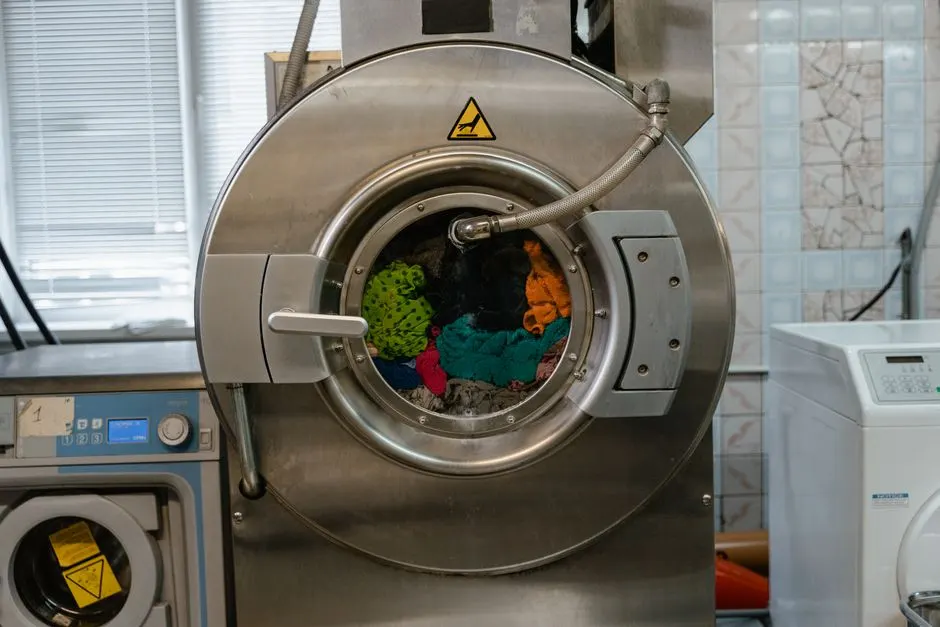
A close-up of an industrial washing machine operating in a laundry facility.
Licensed Licensed & Bonded
Fully Insured Insured & Bonded
24/7 Emergency Same-Day Response
Warranty Backed Workmanship Guaranteed

What Top-Load Washer Repair Includes

Our service covers inspection, diagnosis, repair of the identified washer fault, and a relevant operating test. We address mechanical, electrical, and water-flow issues affecting top-load cycles. Parts, unusually difficult access, and repairs beyond the diagnosed fault are explained before work proceeds; we do not replace unrelated components just because the washer is open.

Cycle and Safety Diagnosis

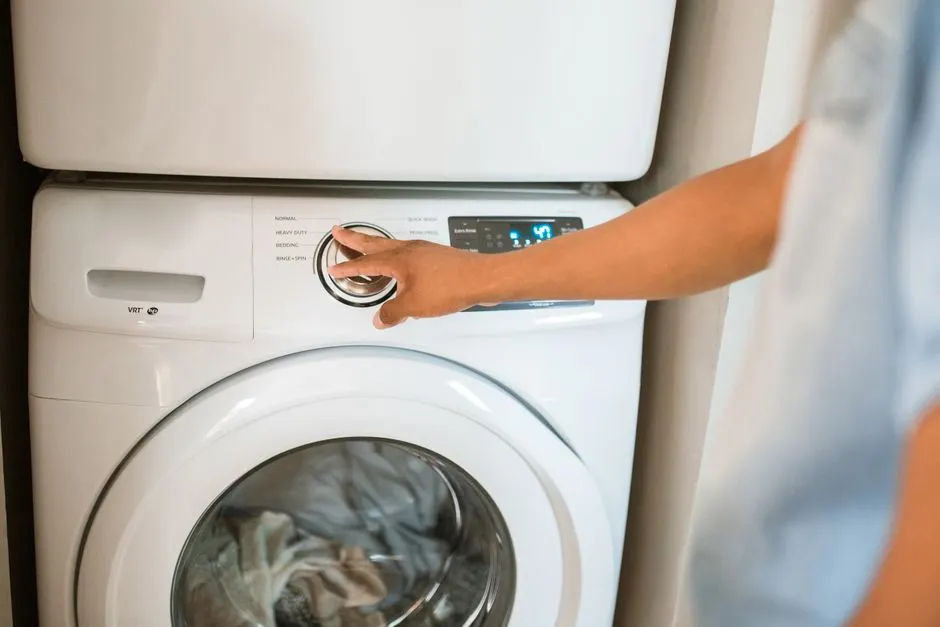
We review the reported symptom, inspect the controls and lid-lock behavior, and test the relevant cycle stages. That includes checking whether the washer fills, agitates, drains, and spins as expected, while noting abnormal sounds, vibration, or visible water.
Water and Drain Checks

We inspect accessible water inlet hoses, drain hoses, and connections for kinks, wear, and leaks. If the washer will not drain, we evaluate the drain path and pump behavior before identifying whether a blockage or failed component is responsible.

Targeted Component Repair

After diagnosis, we repair or replace the component tied to the fault, such as a lid switch, water inlet valve, or pump component. We verify compatibility with the washer model and explain the repair and price before proceeding.

Post-Repair Operation Test

We run the function related to the original complaint and check for leaks, unusual movement, and persistent fault signals. For a spin complaint, we confirm the washer drains and reaches spin; for a fill issue, we observe water entry and shutoff.

Top-Load Washer Repair in Massachusetts


Top-Load Washer Repair in Massachusetts is an appliance repair service that diagnoses and corrects mechanical, electrical, and water-flow faults that keep a top-loading washer from completing its cycle. We check the complaint, inspect the machine, test relevant circuits, and confirm water entry and drainage before recommending a repair. A lid that will not lock, a washer that will not agitate, or a tub that stops before the spin cycle each points to different possible failures. Our goal is to identify the cause rather than replace parts by guesswork.

Massachusetts top-load washer repair is useful when a washer is used daily in a busy household, shared laundry room, or rental property and a small fault risks a larger leak or pile of wet clothes. Cold snaps can expose poorly protected water inlet hoses, while humid summer weather can make a musty washer odor more noticeable. If you are searching for a repair service for a top-loader that will not agitate in Massachusetts, we inspect the drive system, lid switches, and controls, then explain the practical fix.

What to Expect During Service

Top-load washer service in Massachusetts follows a practical sequence: hear the symptom, test the machine, repair the cause, then verify the result. We keep you informed as we work, protect the laundry area, and avoid replacing parts until the diagnosis supports it.

01

Schedule

Call or book online — a real human picks up and confirms a 2-hour arrival window.

02

Diagnose

Licensed tech inspects on-site, then walks you through the cause and your options.

03

Fix

The job is completed to code and done right the first time — no shortcuts, no surprises.

04

Guarantee

Every job backed by a written workmanship warranty — and we stand behind it.

Tools and Repair Methods

Tools & Equipment

Multimeter

We use a multimeter to check continuity and electrical readings at switches, valves, and other components involved in the reported fault, following the model's service procedure.

Clamp meter

A clamp meter helps assess current draw on an accessible circuit when the washer's behavior suggests an electrical or motor-related issue. Readings are interpreted alongside physical inspection, not in isolation.

Nut driver set

We use a nut driver set to remove and refit common washer fasteners while accessing panels and serviceable components. Correct tool fit helps reduce the risk of stripped hardware.

Socket and ratchet set

A socket and ratchet set supports controlled removal and refitting of machine fasteners during component access. We keep removed hardware organized so panels and guards return securely.

Water pressure gauge

A water pressure gauge helps check whether incoming household supply conditions are contributing to slow fill or inconsistent operation. We compare the finding with the washer's requirements and inspect the supply path.

Wet/dry vacuum

We use a wet/dry vacuum to manage residual water in an appropriate service situation, helping keep the work area safer and reducing the chance that a small repair becomes a floor cleanup.

Methods & Standards

Symptom-to-component diagnosis

We map the reported point of failure to the washer's sequence: fill, wash, drain, and spin. Testing the stage that fails helps separate a water supply issue from a lid interlock, drive fault, or blocked drain, limiting unnecessary part changes.

Electrical and mechanical cross-check

When a component appears suspect, we combine electrical readings with a physical check of connectors, movement, and wear. A single measurement does not prove a part has failed; the result must match the washer's symptom and model-specific service information.

Controlled post-repair cycle test

We run the function connected to the complaint and observe fill, agitation, drainage, and spin as appropriate. During the test we watch connections for leaks, listen for abnormal sounds, and check that the washer does not stop on the same fault.

Safe appliance positioning

We isolate power or water when the repair requires it and move the washer only when access demands it. An appliance dolly and suitable lifting practice help protect floors and reduce strain when repositioning a heavy machine.

When Your Top-Loader Needs Service

01

A family load stops mid-cycle with water inside and the lid refusing to unlock.

What we do: We check the control state, lid-lock function, and drainage condition before attempting to access the load. Once safe, we test the pump and related electrical components, then repair the fault keeping the cycle from completing. We avoid forcing the lid, which can damage the lock or housing.

→ You get access to the laundry and a washer that completes the affected cycle, with the cause explained before the repair is finished.

02

A second-floor laundry closet shows a fresh puddle after the washer fills.

What we do: We inspect the supply connections, hoses, and fill behavior while protecting the nearby floor. The timing of the leak helps narrow the cause; we check the inlet path and valve operation, correct the fault, and observe a test fill before packing up.

→ The leak is traced to its source rather than covered up, reducing the chance of water reaching the room below.

03

A top-loader bangs hard during spin even when the load seems balanced.

What we do: We check leveling, load distribution, and tub movement, then inspect suspension components when symptoms point to wear. We also look for signs of shipping or installation issues if the washer was recently moved. The final spin test confirms whether the tub settles and runs more evenly.

→ You learn whether the noise came from setup or a worn component, and the washer is tested for stable operation.

04

A rental property's shared washer will not drain before the next tenant's laundry.

What we do: We confirm the machine model and symptom, inspect the drain route and pump, and determine whether the stoppage is a blockage or component failure. We keep the work area orderly and test drainage after correction, helping the property manager return the appliance to service promptly.

→ The shared machine can be put back into use after a verified drain test, and the manager has a clear record of the repair performed.

How Top-Load Repair Works Locally

Top-Load Washer Repair in Massachusetts has to account for varied homes, laundry rooms, and weather exposure. In November and through winter, an unheated basement or garage can leave supply lines vulnerable to freezing; a shutoff or cracked hose should be checked before restarting the washer. Coastal communities also see damp air and salt exposure around utility spaces, while older homes may have tight stairs, narrow doors, or uneven floors that complicate appliance access. We ask about the machine's location and route before moving it. For top-loading washing machine repair Massachusetts customers, our inspection includes the water connections, drain routing, stability, and the fault itself. Where work touches regulated plumbing or electrical systems, we follow applicable Massachusetts licensing requirements rather than altering building services outside the repair. If you are searching for Massachusetts top-load washer lid switch repair, we test the interlock and cycle behavior together, then verify safe operation after the repair. Seasonal homes and shared laundry rooms get the same careful cycle test, with attention to access and water shutoff.

Neighborhoods We Serve

  • Older multi-unit buildings

    In dense buildings such as Chelsea, a compact laundry closet or shared room can restrict access. We plan for tight clearances and protect nearby walls and flooring while testing.

  • Coastal homes

    In Northwest Harwich and North Eastham, seasonal occupancy and damp utility areas can leave a washer unused for long stretches. We inspect hoses and connections before running a full cycle.

  • Western Massachusetts homes

    Around Springfield and Millers Falls, basement laundry rooms may have stairs, older flooring, or limited drainage access. We assess the route and washer stability before moving equipment.

  • Island and peninsula properties

    At Monomoscoy Island and nearby coastal communities, property access and seasonal use can shape the visit. Sharing the washer model and symptoms helps us prepare for the job.

Local Conditions We Plan For

  • Freezing temperatures around unheated basement supply lines

    A frozen or split hose can leak when water flow returns. We check the visible supply path and connections before running the washer, especially after a cold spell or an extended period without heat.

  • Humid coastal air and extended seasonal vacancies

    A washer left closed and unused can develop stale odor, while fittings may show wear after prolonged inactivity. We inspect the hose connections and run a controlled cycle to identify leaks or drainage problems.

  • Narrow stairs and compact shared laundry rooms

    Limited clearance affects how a washer can be accessed or repositioned. We assess the route, protect the surrounding area, and avoid moving the appliance until the repair requires it.

Restoring a Failed Agitation Cycle

Before

A top-loader filled normally but stopped before washing. The homeowner restarted it twice, heard a faint click near the lid, and found detergent still sitting in the tub. Repeated resets did not restore agitation, so the load remained unwashed and the underlying safety-switch fault was still present.

After

We tested the lid interlock and related cycle response, then replaced the failed switch with a compatible part. The washer filled, agitated, drained, and reached spin during a verification run. The customer saw the complete cycle operate instead of relying on a brief power-on check.

Maintenance: Keep the lid area clear of detergent residue and avoid slamming it shut. If the washer clicks repeatedly without starting, stop resetting it and note whether the lid locks; that detail helps narrow the diagnosis.

Before

Water appeared beside the washer only during the first few minutes of a load. The supply connection looked damp, but the leak stopped when the cycle ended, making it difficult to identify from a quick glance. The laundry floor was becoming slippery.

After

We observed a controlled fill, traced the water to a worn connection, and corrected the failed fitting. The washer completed a 15-minute monitored fill-and-wash test with no new moisture at the connection or on the floor.

Maintenance: Look behind the washer every few weeks for dampness, hose bulges, or corrosion at fittings. Leave enough clearance to inspect connections, and close the supply valves if you will be away for an extended period.

Before

The washer ended its cycle with several inches of water in the tub and clothes too wet to transfer. The drain hose had not been moved, so the owner suspected a pump failure and avoided another cycle to prevent an overflow.

After

We checked the drain route and pump operation, found an obstruction, and cleared the affected path. The tub emptied during the drain test, and the washer reached spin without leaving standing water. No pump replacement was needed.

Maintenance: Check that the drain hose is not kinked or pushed too far into its standpipe. Remove loose items from pockets before washing, and call if water remains after one properly selected drain cycle.

Fix Problems Before They Spread

A small top-load washer fault can leave standing water, soaked clothes, or a wet floor. We trace symptoms to their source and repair the relevant part instead of treating every stoppage as the same problem. Call when a warning sign repeats, especially if you hear banging or see water escaping.

Problem

The washer will not drain and leaves water in the tub

Standing water can sour laundry, create a musty washer odor, and prevent the lid from unlocking on some models. Repeated restart attempts can also strain a pump that is already obstructed.

Our Fix

We inspect the drain hose routing and accessible pump area, then test pump operation and the drain cycle. If a blockage is found, we clear it where accessible; if a component has failed, we explain the replacement. We run a drain test before leaving so you can see the water exit properly.

Problem

The top-loader will not spin clothes dry

Wet clothing adds time to every load and can make a dryer work harder. A failed lid lock, drainage restriction, or drive fault can prevent the washer from reaching full spin speed.

Our Fix

We check whether the washer drains first, verify lid-lock operation, and inspect the drive system and tub movement. That sequence helps identify whether the spin failure is a safety interlock, a drain problem, or a mechanical fault. We test the spin cycle after the repair.

Problem

Water leaks during a cycle near the washer

Water can spread under flooring, damage a nearby wall, or reach stored items before the cycle ends. A leak that appears only during fill or drain can be difficult to locate without observing the machine.

Our Fix

We check supply fittings, water inlet hoses, drain hoses, and the washer's fill and drain behavior. We operate the machine under controlled conditions to locate the leak, correct the failed connection or part, and verify that the surrounding floor remains dry.

Problem

The lid locks but the washer will not agitate

The cycle may fill and then stop without cleaning clothes, leaving detergent in the tub and a load that must be washed again. Repeated resets can obscure an intermittent switch or drive problem.

Our Fix

We test the lid switch and cycle response, then inspect relevant drive and control components for the model. If you need a repair service for a top-loader that will not agitate in Massachusetts, we identify the failed link, make the targeted repair, and verify wash action.

Get Laundry Moving Again

Get Laundry Moving Again

A sound repair restores the cycle you rely on and helps prevent repeat trouble. We focus on the failure that caused the symptom, protect the floor and nearby cabinets, and run an operating check before wrapping up. You get a clear explanation of what changed and what to watch for next.

  • Cycle Tested Before We Leave

    We do not stop after installing a part. Our technician runs the washer through the relevant fill, wash, drain, and spin functions, then checks for leaks and unusual movement. That final test helps confirm your machine can handle a real load instead of merely powering on at the control panel.

  • Repair Focused on the Fault

    A washer that will not drain does not automatically need a new pump. We inspect the drain path, pump operation, and electrical supply before choosing a repair. This measured approach helps keep the job focused and gives you a useful explanation of why the washer stopped.

  • Parts Matched to Your Model

    Whirlpool, GE Appliances, Maytag, Samsung, LG, and other manufacturers use different components and service procedures. We identify the model and select compatible parts for the fault, including lid switches or water inlet valves, rather than relying on a one-size-fits-all substitution.

  • Less Risk to Your Laundry Space

    A leaking connection or a washer that bangs during spin can damage flooring and nearby walls. We check hose connections, leveling, and tub movement as part of the repair. If the washer is stable and dry through a test cycle, you can put it back into regular use with fewer surprises.

How We Earn Your Trust

Licensed & Certified

  • National Appliance Service Technician Certification — issued by National Appliance Service Technician Certification organization
  • Professional Service Association Certification — issued by Professional Service Association
  • Manufacturer-specific appliance service training — issued by Applicable appliance manufacturers
  • OSHA safety training — issued by Occupational Safety and Health Administration training providers

Verified Reviews

Customer feedback ★★★★★5.0

The technician found why our washer stopped before spin and explained the lid-lock test in plain language. He repaired the fault, ran the cycle, and checked that the lid released afterward. We appreciated seeing the washer work before he left.

Customer feedback ★★★★★5.0

Our washer was leaking during fill, and we were worried about the floor. The technician traced the connection, fixed it, and watched a test cycle for new drips. The practical explanation and careful cleanup made the visit straightforward.

Customer feedback ★★★★★5.0

The tub would not drain, and we assumed the pump was gone. The technician checked the hose and pump first, cleared the obstruction, and confirmed the washer drained and spun. We valued the diagnosis before any part was replaced.

Technical Work, Clear Answers

Our local experience covers the faults that make top-load washers stop mid-cycle: water entry problems, failed lid interlocks, drive issues, drainage restrictions, and excessive vibration. We use model-specific service information and diagnostic readings rather than treating every machine alike. Our technicians follow manufacturer-specific appliance service training where applicable, and we use safe work practices around electrical and water connections. Refrigerant certification is not relevant to ordinary washer repair; regulated plumbing or electrical work is handled in line with applicable Massachusetts requirements.

  • We use a multimeter to check electrical continuity and voltage at the components tied to your washer's reported fault.
  • Our technicians consult manufacturer-specific appliance service training and model documentation for correct disassembly and testing procedures.
  • We inspect water inlet hoses and drain hoses for wear, kinks, loose fittings, and signs of leakage before returning the washer to use.
  • A National Appliance Service Technician Certification, where held by the assigned technician, supports appliance-specific diagnostic practice.
  • We follow OSHA safety training principles and applicable Massachusetts plumbing and electrical licensing requirements when regulated work applies.
Get Started Today
Technical Work, Clear Answers

Massachusetts Cities We Serve

Our top-load washer service reaches communities across Massachusetts, from Springfield and Lawrence to Cape-area towns and coastal neighborhoods. We plan for the realities of each visit, including apartment access, seasonal homes, and laundry rooms with limited space. Massachusetts top-loader repair technician visits include diagnosis and a post-repair test, whether your washer is in a family home, rental property, or shared laundry room.

Springfield

We diagnose top-load washers in Springfield homes and rental properties, checking drainage, lid locks, and vibration before testing the repaired cycle.

Lawrence

In Lawrence, we work with compact laundry areas and multi-unit access, protecting nearby flooring while tracing leaks or cycle interruptions.

Peabody

Peabody service covers common fill, agitation, and spin faults, with a model-specific inspection and a cycle test after the repair.

Chelsea

Chelsea's dense housing can mean tight stairs and shared laundry rooms. We assess access first and keep the repair focused on the washer's confirmed fault.

Mansfield Center

For Mansfield Center households, we inspect the washer's water connections and tub movement, then verify the affected cycle before returning it to regular use.

Bliss Corner

We service top-load washers in Bliss Corner by checking supply and drain connections, important when a leak or slow drain appears only during a cycle.

Northwest Harwich

In Northwest Harwich, seasonal use can leave hoses and connections untested for months. We check for leaks and confirm fill and drainage during service.

South Duxbury

South Duxbury visits include practical checks for washer stability and water connections, followed by a test of the function that failed.

Norton Center

We help Norton Center residents address washers that will not drain, agitate, or spin, using diagnosis to avoid unnecessary component replacement.

North Eastham

For North Eastham homes, we account for seasonal occupancy and inspect supply hoses before running a controlled test cycle after repairs.

Monson Center

Monson Center service includes checking washer setup, drainage, and vibration, especially when the appliance is installed in a basement laundry room.

Millers Falls

In Millers Falls, we diagnose the reported cycle fault and consider basement access, hose routing, and washer stability as part of the visit.

Monomoscoy Island

At Monomoscoy Island, we plan around property access and seasonal use, then inspect connections and verify the washer's repaired cycle on site.

Top-Load Washer Repair Questions

Real answers to the questions we hear most often from local homeowners and property managers.

How much does top-load washer repair cost in Massachusetts?
Many top-load washer repairs cost about $180 to $450 in 2026, depending on the failed part and labor required. A diagnostic visit identifies whether the issue is a simple hose or switch fault, a pump problem, or a more involved drive repair. We provide upfront pricing before work begins. The model, parts availability, access, and any water damage can change the final amount.
Why is my top-loading washing machine not agitating?
A top-loading washer that will not agitate often has a failed lid switch, worn drive component, control fault, or an obstruction affecting the wash action. We test the lid interlock and inspect the drive system before recommending parts. Stop using the washer if it smells hot, makes sharp grinding sounds, or leaks. Continuing to run it can worsen mechanical damage or leave water on the floor.
Who repairs top-load washers in Massachusetts?
Mass Washer Repair provides diagnosis and repair for top-load washers across Massachusetts, including homes and rental laundry areas. Our technician checks the model, symptoms, water connections, and electrical components, then explains the repair before proceeding. If you are comparing an affordable top-loading washing machine repair Massachusetts option, focus on a clear diagnosis and a cycle test, not a part replacement without evidence.
Can a top-loader be repaired the same day in Massachusetts?
Yes, same-day top-load washer repair in Massachusetts is possible when the schedule, diagnosis, and required part allow it. A straightforward repair often takes one to three hours after testing, while a special-order component can extend the wait. Tell us the model number and exact symptom when you call. We can use those details to prepare for the visit and check whether a common part is likely needed.

More Washer Services

Washer Repair

For a washer problem that is not yet clearly tied to a top-load component, our broader washer repair service starts with diagnosis. We check the machine's cycle behavior, water connections, and controls, then direct the repair toward the actual fault.

View Washer Repair

Front-Load Washer Repair

Front-load machines use different door-lock, drum, and seal arrangements from top-load models. If your home has both styles, we can diagnose each washer using its own design and test the door boot seals and drain path where relevant.

View Front-Load Washer Repair

High-Efficiency Washer Repair

High-efficiency top-loaders rely on specific water levels and load sensing. We inspect the control response, fill behavior, and agitation pattern to distinguish a normal low-water wash from a fault that leaves clothes dry or the cycle incomplete.

View High-Efficiency Washer Repair

Washer Diagnosis and Troubleshooting

A washer that stops at different stages needs a structured diagnosis before parts are selected. We reproduce the symptom where safe, check error information, and test the relevant circuit or water path so you understand what is preventing a complete cycle.

View Washer Diagnosis and Troubleshooting

Washer Leak Repair

A puddle near a top-loader can come from a supply connection, drain hose, fill valve, or an overflowing tub. We trace the water source during a controlled check, correct the failed connection or component, and verify the floor stays dry.

View Washer Leak Repair

Washer Drainage and Pump Repair

If water remains in the tub, we inspect the drain route, pump operation, and accessible filter area. Removing an obstruction or repairing a failed pump can restore drainage and prevent wet laundry from sitting in the washer after the cycle ends.

View Washer Drainage and Pump Repair

Book Top-Load Washer Repair in Massachusetts

A washer that leaks, stalls, or leaves clothes soaking needs a direct diagnosis. Call Mass Washer Repair at +18665940052 to describe the symptom and arrange service. We provide upfront pricing before repair work begins.

Call Today Book Service

Contact Mass Washer Repair

Tell us what your washer is doing and where in Massachusetts you need service. Call +18665940052 during business hours, Monday through Friday, 8 a.m. to 6 p.m.; we respond to calls during those hours and help arrange the next available service route. If the washer is leaking, include that detail when you call.

Or call us right now at +18665940052 — we answer.

Mass Washer Repair


  • Phone

    +18665940052
  • Address

    Massachusetts

  • Hours

    Mon–Fri: 7AM – 7PM
    Sat: 8AM – 4PM
    Sun: Emergency Only
    24/7 Emergency Available

Call +18665940052 Get Quote
Call Quote