
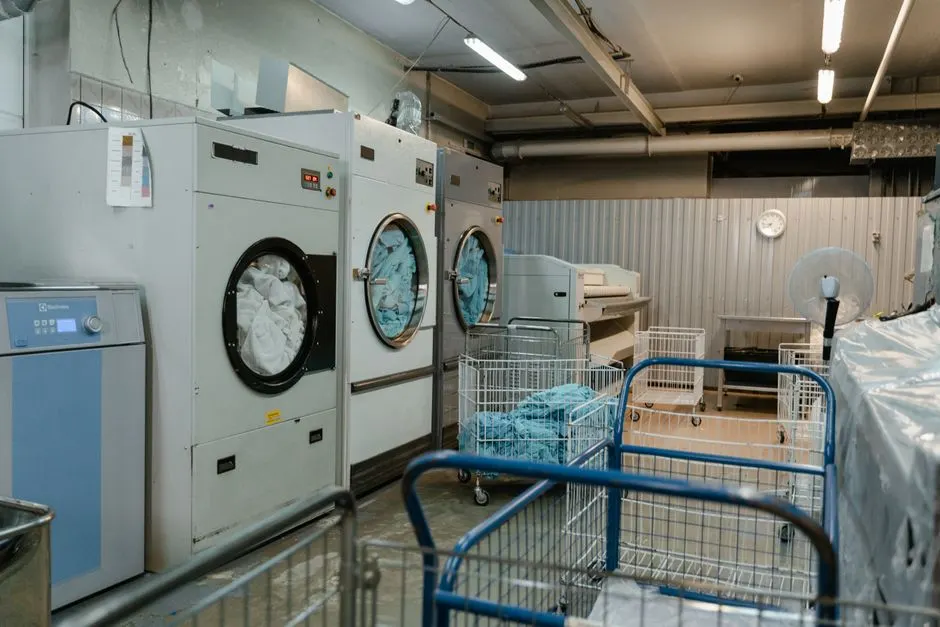
To stop washer odors in Massachusetts homes, remove damp detergent residue from the gasket, dispenser, and tub, then leave the door and drawer open so the washer dries fully. If the smell returns after a thorough cleaning, check for trapped water or a slow drain rather than masking it with fragrance. We'll cover a safe cleaning routine, prevention through humid Massachusetts seasons, and the warning signs that point to a mechanical drainage issue.
How to stop washer odors Massachusetts is a practical cleaning and maintenance routine that removes odor-causing residue and helps identify when a washer needs repair. At Mass Washer Repair, we see how regular cold-water cycles, overuse of detergent, and a shut door can leave moisture sitting in places you don't see.
Why washer odors develop in Massachusetts homes
Washer odors in Massachusetts homes usually develop when moisture, detergent, lint, and body oils remain inside the drum, gasket, dispenser, or drain path. The mix forms a film that holds odor and gives mildew a damp place to grow.
Front-load machines are especially prone to a musty smell because their rubber door seal folds inward and can retain a small amount of water after a cycle. A door that stays closed between loads slows drying. In apartments, laundry closets with limited airflow compound the problem.
Massachusetts weather adds a seasonal wrinkle. In November and through winter, closed windows and heated interiors can leave a basement laundry area cool and poorly ventilated; during humid summer stretches, air-drying takes longer. The washer itself still needs to drain and dry, whatever the weather outside.
Detergent choice matters, too. High-efficiency machines need HE detergent and a measured dose; excess suds can leave residue behind, particularly with frequent short or cold cycles. If the smell is strongest near the lower front panel or appears alongside standing water, the source may be more than a dirty drum.
We help households across the state with routine Washer Repair in Massachusetts, including odor complaints that turn out to be a simple cleaning issue or a drain problem. Identifying the source first saves you from repeatedly cleaning the wrong part.
How to stop washer odors Massachusetts: clean the parts that trap residue
A complete washer odor cleanup in Massachusetts should address the gasket, detergent drawer, drum, and any accessible drain filter, following your manufacturer's instructions. Clean the hidden surfaces first, then run the washer's tub-clean cycle so loosened residue washes away.
Start with an empty machine and a soft cloth. Don't mix cleaners: bleach and vinegar can create hazardous fumes, and either product can damage parts if used contrary to the manual. Use a washer-cleaning tablet or the manufacturer-approved product and amount.
- Wipe the door gasket. Pull back the rubber folds gently and remove hair, lint, and debris. Use warm water with a small amount of mild detergent, then rinse the cloth and wipe again.
- Clean the dispenser. Remove the drawer if the manual permits it. Rinse away sticky detergent and fabric-softener buildup, and clean the cavity with a damp cloth.
- Run a tub-clean cycle. Use the washer-cleaning product exactly as directed. If your model has no dedicated cycle, follow its manual for the correct cleaning setting.
- Check the drain filter if accessible. Some front-load washers have a service filter near the floor. Place towels and a shallow pan beneath it before opening; residual water can spill out.
- Dry the seal and drum. Wipe visible moisture and leave the door ajar after the cycle.
For washer gasket odor cleaning, pay particular attention to the bottom curve of the seal, where water and lint often collect. Don't pry the gasket away from its retaining ring or use a sharp tool; a torn seal can leak into the laundry area.
Regular washing machine tub cleaning and maintenance works best as a schedule, not a one-time rescue. Run the cleaning cycle about once a month if you use the washer frequently, or follow the shorter interval specified in your model's manual. Clean the drawer and gasket whenever residue is visible.
How to prevent washer odors between laundry loads
You can prevent washer odors between laundry loads by reducing residue and allowing the drum, gasket, and dispenser to dry between uses. A few minutes of airflow after each wash often matters more than adding another cleaning product.
After unloading, take out wet clothes promptly, wipe away visible water around the seal, and leave the door open a few inches when the laundry area is safe for that. Pull the dispenser drawer slightly open as well. If children or pets can access the open washer, use a safe alternative recommended by the manufacturer.
Measure detergent using the washer's guidance rather than filling the cap automatically. Soft water and lightly soiled loads often need less than the maximum dose. Avoid pouring detergent directly into the dispenser beyond its marked line, and don't use fabric softener more heavily than its label directs.
Choose the right cycle for the load, and periodically wash suitable items in warm or hot water if their care labels allow it. Cold washing is useful for many fabrics, but occasional tub cleaning helps prevent detergent film from accumulating. Keep the washer level and make sure the standpipe or drain hose has not been pushed too far into the drain opening.
Homes in older parts of Boston often have compact laundry closets where the door stays shut and air movement is limited; simple drying habits are especially useful there. If your washer still smells after cleaning, Washer Repair in Boston can help you distinguish lingering residue from a drainage fault.
Why does my washing machine smell musty?
A washing machine smells musty when moisture and organic residue remain in the drum, seal, dispenser, or drain system; cleaning those areas and drying the washer usually clears a mild odor. A smell that returns quickly after cleaning deserves closer attention.
Check whether the odor is strongest at the door seal, inside the dispenser, or near the drain. A sour or swampy smell with water left in the drum can point to slow drainage, while a sewer-like odor can indicate a drain hose or household plumbing issue. Don't keep running cleaning cycles if water remains or the machine displays a drain fault.
For front-load washer mold smell prevention, clean the seal folds and dispenser regularly, use the correct HE detergent dose, and leave the door and drawer open to dry. Visible dark spots that remain after routine cleaning, a persistent odor from inaccessible areas, or a damaged gasket call for a closer inspection.
Common mistakes that make washer odors worse
Common washer-cleaning mistakes in Massachusetts homes include overusing detergent, closing the door while the seal is wet, and applying cleaners that the washer manufacturer does not approve. These habits can leave more residue or damage rubber and plastic parts.
- Using too much detergent: More soap does not mean cleaner laundry. Suds and leftover product can cling to the tub and drain path.
- Mixing bleach and vinegar: Never combine them. Use one approved cleaning method at a time and follow the product label.
- Scrubbing with abrasive tools: Scouring pads and sharp objects can scratch the dispenser or tear the door boot.
- Ignoring standing water: A cleaning tablet cannot fix a blocked filter, kinked hose, or failing drain pump.
- Using fragrance to cover the smell: Scented additives may mask an odor while residue and moisture remain.
Don't remove panels or reach into a pump area unless your manual identifies a user-serviceable filter and gives safe steps. Unplug the washer before any permitted filter cleaning, and expect water to drain from the housing.
When to call a professional about washer odor
Professional washer odor troubleshooting in Massachusetts is appropriate when a smell returns after a careful cleaning, water remains in the drum, or the washer shows a drain error. Those signs can point to a clogged filter, restricted hose, drain-pump trouble, or residue trapped beyond the parts you can safely reach.
Notice what happens during a cycle: does the washer drain slowly, leave clothes unusually wet, make a humming or grinding sound, or leak near the front? Note any error code and whether the odor resembles mildew, sewage, or standing water. That detail helps us narrow down the fault without replacing parts by guesswork.
We inspect the drain path and pump, check the hose arrangement, and test the washer after the repair. If water lingers or drainage is the likely source, our Washer Drainage and Pump Repair in Massachusetts service addresses the cause rather than covering the odor. We provide upfront pricing before work begins.
For a recurring odor that has survived gasket, drawer, and tub cleaning, our team at Mass Washer Repair can troubleshoot the machine and explain the fix plainly. A timely inspection can also help prevent a drain issue from turning into a leak or a laundry-day failure.
Frequently Asked Questions
Why does my washing machine smell musty?
A musty washer smell usually comes from damp detergent residue, lint, and body oils trapped in the gasket, dispenser, or drum. Clean those areas and run the manufacturer-approved tub-clean cycle; repeat about monthly if your usage is heavy. If the odor returns within a few loads or water remains inside, have the drain system checked.
Can leaving the washer door open help prevent odors?
Yes. Leaving the door open a few inches after each load helps the drum and gasket dry, which reduces the damp conditions that encourage mildew. Wipe the seal first and open the dispenser drawer too. Keep the door secured safely if children or pets can reach the washer, and follow your model's instructions.
How often should I clean a washer gasket and detergent drawer?
Wipe the gasket after loads when it is visibly wet or dirty, and inspect it at least weekly; clean the dispenser whenever residue appears. Run a tub-clean cycle about once a month for frequent use, unless your manual recommends another interval. Regular light cleaning prevents buildup from becoming difficult to remove.
Can a clogged drain cause washer odors?
Yes. A clogged filter, restricted drain hose, or failing pump can leave foul water in the washer and cause a persistent smell. If standing water remains after a cycle, the machine drains slowly, or a drain error appears, stop relying on cleaning cycles and arrange a drain-system inspection.
Why does a front-load washer smell like mildew?
Front-load washers can retain water in the rubber door boot and dispenser, especially when the door stays shut between loads or excess detergent leaves a film. Clean the seal folds, use HE detergent at the correct dose, and let the door and drawer air-dry. Persistent odor after cleaning can signal trapped residue or drainage trouble.
Get help with Washer Repair in Massachusetts
If cleaning hasn't stopped the smell or your washer leaves water behind, Mass Washer Repair can find the cause and get your laundry routine back on track. Call +18665940052 to arrange washer repair in Massachusetts.